







Writing a Letter to Yourself One Year After a Loss – Helpful Guide & Resources

Have you ever considered writing a letter to yourself one year after a loss? It may sound unusual, but this simple act of self-reflection and compassion can be incredibly powerful in the healing process. When we experience a loss – whether it’s the death of a loved one, the end of a relationship, or any other significant life event – we often struggle to find the right words to express our emotions and navigate our grief.

Writing a letter to yourself can provide a form of catharsis, allowing you to put your thoughts and feelings into words and release them from your mind and heart. It gives you a chance to reflect on how far you’ve come since the loss and acknowledge the progress you’ve made in your healing journey.

The Healing Power of Self-Compassion

Self-compassion is a vital component of the grieving process. It involves treating yourself with the same kindness and understanding that you would offer to a dear friend in a similar situation. When you write a letter to yourself after a loss, you are practicing self-compassion by acknowledging your pain, validating your emotions, and offering yourself love and support.

It’s normal to experience a range of emotions after a loss, including sadness, anger, guilt, and confusion. By writing a letter to yourself, you are creating a safe space to explore and process these feelings without judgment. This act of self-compassion can help you find solace, acceptance, and even a sense of closure.

How to Write a Letter to Yourself

Writing a letter to yourself after a loss doesn’t have to follow a specific format or structure. You can simply let your thoughts and feelings flow naturally onto the page. Here are some tips to help you get started:

  • Find a quiet and comfortable space where you can focus without distractions.
  • Begin by addressing yourself in a compassionate and loving manner.
  • Reflect on the impact of the loss on your life and emotions.
  • Express gratitude for the lessons learned and the strength you’ve discovered.
  • Offer words of encouragement, reassurance, and hope as you look towards the future.

Remember, this letter is for your eyes only, so feel free to be completely honest and vulnerable in your writing.

The Journey of Healing

Healing from a loss is a journey that unfolds at its own pace. By writing a letter to yourself one year after a loss, you are honoring your experiences, acknowledging your growth, and embracing the resilience that lies within you. It’s a reminder that you are not alone in your grief and that healing is possible, one step at a time.

Embrace the healing power of self-reflection and self-compassion as you navigate the complexities of grief. Consider writing that letter to yourself – it might just be the gentle reminder of your strength and resilience that you need on this journey.

If you’d like more guidance on coping with loss and finding healing, check out our comprehensive guide on writing a letter to yourself after a loss. This resource offers practical tips and insights to support you in your healing process.

Create a Simple Beautiful Funeral Program in Minutes

Personalize, preview, and download instantly with our easy-to-use Funeral Program Wizard.

Start Now β†’

Our Obituary Resources are changing the way to create

Whether you're drafting your first obituary or looking to create a unique commemoration, our detailed guides, templates, and examples are here to support you every step of the way. Explore the links below to find everything from basic templates to detailed instructions on obituary writing, ensuring that you can honor your loved one with respect and love.

Navigating Grief with Thoughtful Resources

When a loved one passes away, handling the emotional and practical aspects of grief can be overwhelming. At Quick Funeral, we provide comprehensive resources to assist you through this difficult time. Whether you're beginning with understanding how to craft meaningful tributes or need a detailed guide, we're here to support you.

Writing and Understanding Obituaries

Learning how to write an obituary is a valuable skill that honors the deceased and informs the community of their passing. This process involves more than just penning down life facts. For more insights into the nuances, our article on how obituaries are written provides clarity on capturing the essence of a loved one’s life story.

Templates and Samples to Ease the Process

If you're looking for a starting point, our Template of Obituary and Obituary Template for Word are perfect tools to help you get started. These templates are designed to guide you through the structure and content, making the writing process less daunting. For varied examples, check out our comprehensive Obituary Template Sample and Obituary Writing Example, which can inspire you to personalize a memorial that feels true to the spirit of your loved one.

Exploring different formats can also be helpful. Our guide on Obituary Format Example outlines the different ways you can present an obituary, from traditional to more modern approaches. Additionally, for those looking to express sentiments with different phrasing, the Obituary Wording Example can be particularly useful.

Advanced Tools and Creative Ideas

For families preferring to use digital tools, our Obituary Template Microsoft Word is easily customizable. Moreover, those wishing to create a lasting tribute can explore our Obituary Card Template, which offers a tangible memento for funeral attendees.

Memorializing a loved one involves reflecting on their unique life story. To help capture these narratives, we offer resources like the Obituary Tribute Examples and Obituary Announcement Sample, which provide ideas for announcing the passing in a respectful and heartfelt manner.

Further Exploration and Support

For those new to obituary writing or seeking to improve their skills, Template for Obituary and Examples for Obituary offer a deep dive into crafting impactful memorials. Recognizing that each family's needs are different, we also provide resources tailored to specific scenarios, such as Obituary Readings and detailed guides on Obituaries Format.

At Quick Funeral, our goal is to support you through these challenging times with resources that not only guide but also inspire personal and heartfelt commemorations. Whether you're drafting a simple Obituary Template or seeking comprehensive Example of Obituary, our tools are designed to reflect the dignity and life of your loved one. Explore our full suite of resources, including Sample Obituary and Samples of Obituaries for more insights.

For families looking to create a personalized tribute, our Family Obituary Samples provide a touch of personalization that celebrates the unique life of the deceased.

Example of Obituary

When a loved one passes away, writing an obituary can be one of the most challenging tasks. It serves as both a tribute and a vital means of informing others about the loss. An obituary example can help guide you through this emotional process, offering a framework for creating a meaningful and respectful message. A well-crafted obituary typically includes important details such as the person's name, date of birth, date of death, family members, and funeral arrangements. Additionally, a heartfelt obituary often highlights the deceased's personality, achievements, and contributions to their community. Using a thoughtful example of obituary can provide structure and inspiration to create a compassionate and personalized tribute. Whether you’re writing for a family member or a close friend, having a reliable example of obituaries can simplify the process and ensure that the tribute captures the essence of the person’s life. If you're unsure where to start, you can explore various examples of obituaries to find a style that suits the individual's story. For more guidance and examples, visit our Example of Obituary page to find templates, tips, and expert advice on how to write the perfect obituary. We’re here to help you honor your loved one’s memory with grace and dignity.

The Funeral Program is a document that describes important points of funeral or commemoration services. It serves as a guide for organizing and presenting information about the deceased, the order of events, and any readings, prayers, or music that will be included in the service.

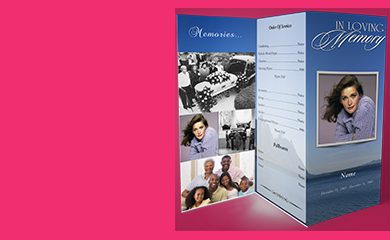
Generally, these templates include sections like:

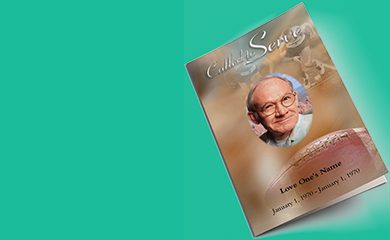
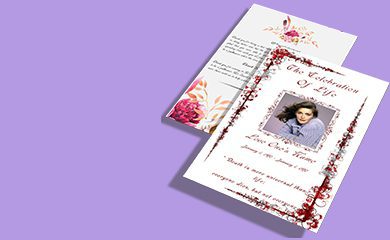
Cover: It displays a photo of the deceased, their name, and important dates like date of birth and death.

Order of Service:  This outlines the sequence of events during the service, including prayers, songs, eulogies, and any other planned activities.

Biography: It includes a brief summary of the life and accomplishments of the deceased, with important milestones, interests, and meaningful relationships.

Photos and Memories: Allows for the inclusion of additional photos, quotes, or memories shared by family and friends.

Funeral Details: Provides information about the location, date, and time of the service, as well as any specific instructions or requests from the family.

Acknowledgments:  In this, you can express gratitude to those who provided support and assistance during the difficult time.


Are you looking to have a lot of options for choosing free funeral program templates to create funeral programs for your loved one? These templates are available in different sizes. You can select your required size and number of pages to start customizing.

Use free funeral poems to create a good funeral program card. Funeral Card Templates are easy to customize using online drag-drop-based software where you can add unlimited text and images. You can choose from free funeral program background images, funeral sentiments, and funeral ornaments to create a beautiful funeral program using a funeral card template.

Instant Download of your Work

Print anywhere - anytime

Dedicated Live Support

Free Customization Service