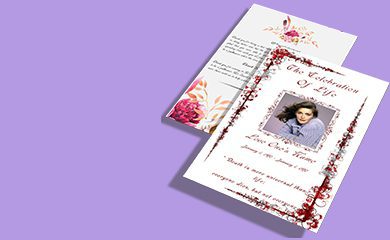
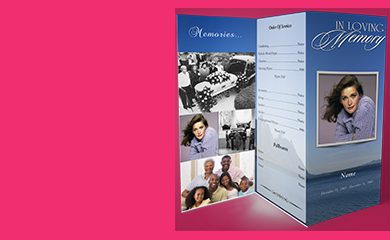
Setting up an online memorial fundraising page can feel emotional, urgent, and overwhelming—especially when you’re doing it alongside grieving or planning ahead. The good news: with the right structure, you can create a respectful, clear page that helps friends and family understand the purpose, share the story, and give with confidence. In this guide, you’ll learn how to plan your page content, choose the right fundraising setup, and launch with intention—whether you’re supporting a family in their time of need or building your own plan for the future.
What is an online memorial fundraising page, and why does it help?
An online memorial fundraising page is a dedicated web page that explains a memorial or funeral fund need and provides an easy way for supporters to contribute. Done well, it creates a central location for information, reduces confusion, and gives people a simple path to help.
For families, it can provide clarity during a difficult time. For pre-planners, it can reduce last-minute stress by preparing key details in advance.
How does it work for families and pre-planners?
Typically, a memorial fundraising page includes a short story, a fundraising goal (if you’re using one), donation options, and key logistics. Supporters can read, share, and contribute without needing to track details through multiple channels.
How to set up an online memorial fundraising page step by step
Follow these steps to build a page that’s organized, respectful, and easy to use. If you’d like a deeper walkthrough, you can learn more about Online Memorial Fundraising Page Setup Guide for Families and Pre-Planners as you put these ideas into practice.
Step 1: Decide what the page should accomplish
- Choose the primary purpose (cover funeral expenses, memorial costs, travel support, or a specific need).
- Determine the audience (close family, broader community, or colleagues and faith groups).
- Clarify what you want supporters to do next: read, share, donate, or all three.
Step 2: Gather essential details before you start writing
- Name(s) and preferred spelling
- Date/time and location details (or planned updates)
- How funds will be used (keep it straightforward)
- Contact or update plan (who posts changes, and when)
- Photo permissions and a few respectful images
Preparing these items up front helps you avoid delays and reduces the emotional strain of repeated edits later.
Step 3: Write a memorial story that feels personal and clear
Your opening paragraph sets the tone. Use warm, factual language and avoid overly vague statements. Consider including:
- A brief “who they were” (values, hobbies, family roles)
- What this fundraiser supports (plain-language purpose)
- How people can help in the near term (donate, share, attend)
If you’re working as a pre-planner, you can draft this narrative in advance and keep it ready to update later.
Best ways to structure fundraising content for quick understanding
A strong page is skimmable. Supporters should be able to understand the situation in minutes—even if they’re overwhelmed.
Use headings and short sections that answer common questions
Consider creating sections like:
- What happened / why this page exists
- Fundraising goal and allocation (if applicable)
- Service details and how to participate
- Update schedule (when new information will appear)
When in doubt, aim for short paragraphs and one idea per section.
Include donation guidance that reduces hesitation
Supporters often want assurance that giving is meaningful. Add a sentence that explains what a donation does and why timely support matters. If you list a goal, keep language honest and update it if circumstances change.
How to choose a respectful tone (and what to avoid)
Memorial pages should feel compassionate, not transactional. A respectful tone is usually achieved by focusing on gratitude, clarity, and dignity.
Do
- Use the person’s name(s) and a few specific details
- Thank readers for time, sharing, and support
- Use language that matches the family’s beliefs and preferences
Avoid
- Overloading the page with long explanations
- Using harsh or guilt-driven wording
- Including sensitive medical details unless the family explicitly wants them shared
How to set up sharing and updates so supporters stay informed
Even the best page can underperform if people don’t know it exists or if updates are unclear. The goal is steady, respectful communication.
Numbered launch checklist
- Preview the page on mobile and confirm the main story reads well on a phone.
- Double-check dates, spelling, and location details.
- Set a simple plan for updates (for example: “We’ll post service changes within 24–48 hours”).
- Share through the channels your audience already uses (family group chats, email, community boards).
- Ask for help with distribution: “If you’d like, please share this page with friends who may want to support.”
Best ways to keep information current
- Post updates as events approach and after major changes.
- Keep updates concise and consistent in tone.
- Revisit the donation section if usage details change—without adding unnecessary complexity.
How pre-planners can prepare an online memorial fundraising page in advance
For pre-planners, creating a page before an emergency helps remove pressure later. You can start with the narrative, photos, and preferred wording, then fill in logistics when needed.
If you want a guided approach to online memorial fundraising page setup and how it works for different family needs, you can review an Online Memorial Fundraising Page Setup Guide for Families and Pre-Planners to ensure your draft includes the right building blocks.
Pre-planning tip
Store key documents and preferences in one place—then you’ll be ready to update quickly while staying focused on family and care.
Summary: Create clarity, dignity, and momentum
A thoughtful online memorial fundraising page brings people together by combining a respectful story with clear guidance. When you plan the purpose, write skimmable content, choose a compassionate tone, and commit to straightforward updates, you give supporters a reliable way to help. Whether you’re setting up for a family in the moment or preparing ahead as a pre-planner, the main takeaway is simple: build a page that communicates clearly and honors the person at the center of it.
{
“@context”: “https://schema.org”,
“@type”: “FAQPage”,
“mainEntity”: [
{
“@type”: “Question”,
“name”: “What is an online memorial fundraising page, and why does it help?”,
“acceptedAnswer”: {
“@type”: “Answer”,
“text”: “An online memorial fundraising page is a dedicated web page that explains a memorial or funeral fund need and provides an easy way for supporters to contribute. It creates a central place for information so friends and family can understand the purpose and give with confidence—supporting clarity during a difficult time for families and reducing last-minute stress for pre-planners.”
}
},
{
“@type”: “Question”,
“name”: “How to set up an online memorial fundraising page step by step?”,
“acceptedAnswer”: {
“@type”: “Answer”,
“text”: “Start by deciding the page’s primary purpose and audience, gather essential details (names, service info, how funds will be used, and update plans), write a personal yet clear memorial story, and then launch with a preview/consistency checklist and a simple sharing + updates routine. Using short sections and headings helps supporters understand quickly.”
}
},
{
“@type”: “Question”,
“name”: “How to choose a respectful tone (and what to avoid)?”,
“acceptedAnswer”: {
“@type”: “Answer”,
“text”: “Aim for compassionate, clear, and dignity-focused language. Use the person’s name(s), include specific details, thank readers for their time and support, and keep explanations straightforward. Avoid guilt-driven wording, overly long or confusing sections, and sensitive details unless the family explicitly wants them shared.”
}
}
]
}