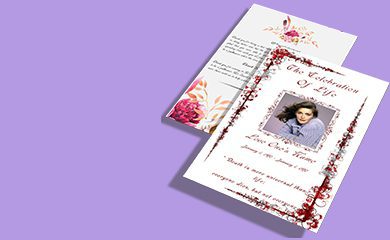
When an employee dies, the workplace can feel suddenly unmoored—questions pile up, emotions run high, and leaders must act quickly with care. In this guide, you’ll learn how to notify an employer of an employee’s death (and how to do it respectfully), what information you’ll typically need, and the best ways to handle internal and HR steps without making a painful situation worse. If you’re a manager, HR professional, or a family member coordinating the message, you’ll find practical, step-by-step guidance you can use right away.
What is the best way to notify an employer of an employee’s death?
The best approach is usually direct, accurate, and compassionate—while limiting details to what’s necessary. Start with the essential facts, confirm authority to share information, and keep the tone human. You’ll also want to consider privacy and timing, especially if the death was recent or information is still being verified.
As you plan your notification, focus on clear communication, respectful language, and confidential handling of any sensitive details.
Key information to prepare before you send the notification
- Who you are (your relationship to the employee, and your role—family member, HR contact, manager, etc.)
- Confirmation of the fact of death (as verified as possible)
- Timing (date of death or when it became known, if you have that)
- Preferred point of contact for further questions (name and best method to reach you)
- Whether a public statement is allowed and any boundaries on sharing details
If you’re trying to learn the broader employer workflow, it can help to review how to notify employer of employees death so your message aligns with common HR and communication expectations.
How to notify an employer of an employee’s death: step-by-step
Use these steps to create a notification that is both efficient and considerate. Each step helps reduce confusion and ensures the employer can respond appropriately.
- Contact the appropriate person first (HR manager, company HR hotline, or the employee’s direct supervisor if that’s the established process).
- State the purpose immediately: “I’m contacting you to notify you of the death of [Employee Name].”
- Share only verified facts: date/time of death (or when it occurred), and whether any additional information can be disclosed.
- Ask about next steps the employer will take (pay, benefits, leave, and communications).
- Provide a contact for follow-up so questions don’t spread through the workplace.
- Clarify confidentiality boundaries: whether the employer may share the news broadly or limit details to HR.
- Confirm timing for internal announcements, especially if leadership needs to coordinate replacement coverage or funeral leave.
Following these steps supports a smooth response and helps the employer act quickly without rushing into unverified details.
What to say in the initial notification message
Keep your wording simple and respectful. The goal is to inform, not to overshare. A short structure works well:
- Opening: “I’m contacting you to let you know…”
- Facts: “On 2026, [Employee Name] passed away.”
- Boundaries: “I’m not sharing additional details at this time / please let me know what you can disclose.”
- Next step: “Could you share the company’s process for benefits, leave, and communications?”
- Contact info: your name and best phone/email.
Best ways to notify HR and communicate internally
Once the employer receives the notification, HR and leadership must communicate with employees appropriately. The “best ways” focus on consistency, compassion, and privacy.
Coordinate with HR before mass communication
Before the news reaches the whole company, ensure HR confirms who should know what. Avoid sharing details in group channels until HR approves the language.
One source of truth prevents rumors and gives coworkers a reliable message to follow.
Use a respectful internal announcement template
A good internal message typically includes:
- A clear statement that the employee has passed away
- Limited details (only what’s been approved for sharing)
- Support information such as counseling resources or HR contacts
- Logistics if the employer is allowed to share details about arrangements
- Next steps for questions (for example, “Please direct all inquiries to HR”)
If you want additional guidance on the practical employer response, consider reading learn more about how to notify employer of employees death to help you anticipate what HR may ask for and how communication often works in practice.
How should employers handle questions and privacy concerns?
After a death notice, employees often ask follow-up questions—some out of concern, some out of confusion. Employers should handle these questions carefully and consistently.
Set boundaries on what can be shared
When in doubt, HR should define what details are permitted. You can also remind leadership that privacy and accuracy matter. Consider using a short policy such as:
- Only confirmed information may be shared publicly
- Personal medical details are generally not appropriate unless the family explicitly approves and it’s legally/ethically permitted
- Questions go to HR rather than to coworkers directly
Offer support to coworkers
Some employees will be deeply affected, and many will grieve privately. Consider offering:
- Employee assistance resources (if available)
- Time and flexibility for those who need it
- Manager check-ins that are brief, respectful, and optional
Common questions: How to respond in real scenarios
What if you’re not sure what HR needs from you?
Start by asking what the employer requires to proceed. You can say: “What information do you need to process benefits, payroll, and workplace communications?” This keeps the conversation focused while you provide whatever is appropriate.
How soon should you notify the employer?
In most cases, notify the employer as soon as you have a verified fact of death and the ability to communicate responsibly. If you must wait for confirmation, you can still inform HR that verification is underway and ask when you should follow up.
What should you do if coworkers start speculating?
HR should address rumor responsibly by directing employees to the official message and reminding them what information is confirmed. Encourage employees to reach out to HR for questions rather than discussing unverified details.
Summary: Your fastest, kindest path is clear and coordinated
Notifying an employer after an employee’s death is both an administrative responsibility and a deeply human moment. By providing verified information, using respectful language, and coordinating closely with HR on privacy and internal communication, you can help the workplace respond thoughtfully and avoid unnecessary confusion. In the end, the main takeaway is simple: communicate early, keep it accurate, and ensure a clear, compassionate process for everyone affected.
{
“faq”: [
{
“question”: “What is the best way to notify an employer of an employee’s death?”,
“answer”: “The best approach is usually direct, accurate, and compassionate—while limiting details to what’s necessary. Start with the essential facts, confirm authority to share information, and keep the tone human. It also helps to coordinate with HR so privacy boundaries are respected.”
},
{
“question”: “How to notify an employer of an employee’s death: step-by-step”,
“answer”: “Contact the appropriate person (HR or the employee’s supervisor), state the purpose immediately, share only verified facts (date/time and whether details may be disclosed), ask about next steps for benefits/leave/communications, provide a point of contact for follow-up, clarify confidentiality boundaries, and confirm timing for any internal announcements.”
},
{
“question”: “How should employers handle questions and privacy concerns?”,
“answer”: “HR should define what details can be shared, avoid releasing unverified or sensitive personal information, and route questions to HR rather than to coworkers. Employers should also offer support options such as employee assistance resources and respectful manager check-ins.”
}
]
}