Planning a funeral can feel overwhelming, especially when you’re trying to honor a loved one while juggling practical details. The good news is that you don’t have to do everything at once—and you can create a beautiful funeral program at home. In this guide, you’ll learn exactly how to make a funeral program at home step by step, including what to include, how to choose a layout, and simple printing tips so the final result looks polished and respectful.
What is a funeral program, and why does it matter?
A funeral program is a keepsake document handed out to attendees or displayed during the service. It typically includes the schedule, names, readings, and key moments like prayers, hymns, or an obituary summary. A well-made program helps guests follow along, reduces confusion, and creates a lasting memory of the day.
If you’re also deciding what details to gather, you may find it helpful to learn more about how to make a funeral program at home step by step in a comprehensive walkthrough: how to make a funeral program at home step by step.
How to make a funeral program at home step by step (complete checklist)
Below is a straightforward process you can follow with common home tools like a printer, scissors, and a design program (or a simple template). Focus on getting the essentials right first, then refine for a professional feel.
Step 1: Gather the information you’ll need
Before you open any software, collect all the text and items that will go into the program. This prevents last-minute scrambling.
- Full name and dates (birth and passing)
- Service details: time, location, and officiant name(s)
- Order of service (songs, prayers, readings, remarks)
- Names of family members or pallbearers (if included)
- Obituary highlights or a short life summary
- Photo(s) you have permission to use
- Donations or memorial information (optional)
Step 2: Choose a simple layout and paper format
When you’re learning how to make a funeral program at home, it helps to pick a layout that’s easy to assemble. Consider these practical options:
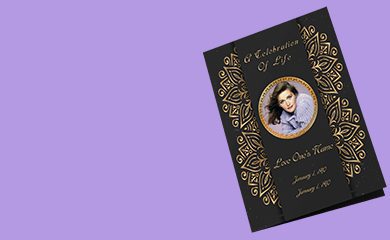
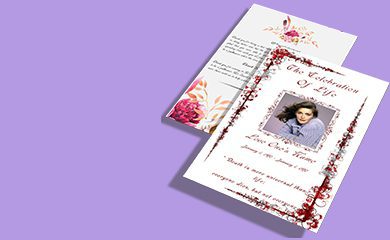
- Single-fold (one sheet): usually best for shorter services
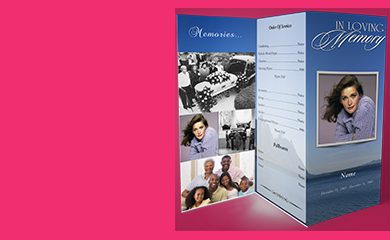
- Tri-fold (three panels): offers more room for photos and life details
- Half-fold booklet: common for longer orders of service
For a clean, respectful look, choose fonts that are easy to read and keep spacing consistent. A simple approach is to use one primary font and one supporting font (for headings).
Step 3: Pick a respectful design style
Your design should support the purpose of the program, not distract from it. Aim for an understated tone and a readable hierarchy.
- Use a clear heading style for the person’s name and service title
- Place the photo where it’s easy to find—often near the top or center
- Use subtle separators like thin lines or spacing instead of busy graphics
- Keep paragraph text short; use line breaks strategically
Step 4: Write the text in a reader-friendly order
As you build the program, think about the order attendees will read it. A typical structure looks like this:
- Cover: name, dates, and a brief title like “Service of Remembrance”
- Inside (or next panel): order of service and schedule
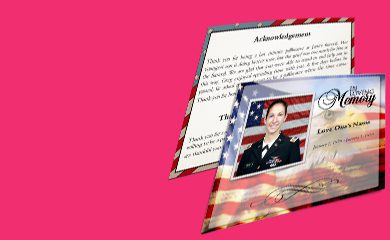
- Additional details: readings, acknowledgements, family/pallbearers (optional)
- Memorial information: donation or contact details (optional)
Step 5: Add an order of service that’s easy to follow
Guests often rely on the program to track what’s happening next. Use consistent formatting so it’s visually scannable.
- Use a numbered list or clear labels like Hymn, Prayer, Reading, Remarks
- Align times or sequence entries in a predictable pattern
- If there are speaker names, ensure spellings are correct
Best ways to format and print a funeral program at home
Design is only half the job—printing makes or breaks the final look. These tips help you avoid common mistakes.
Choose the right print settings
- Use high-quality paper if possible (heavier stock helps photos look better)
- Set your printer to the correct paper size and orientation (portrait vs. landscape)
- Do a test print on plain paper before printing the final version
- Check margins so text doesn’t get cut off when folding
Use photo-friendly sizing
If you include a photo, make sure it isn’t stretched. A good approach is to:
- Export or insert the image at a resolution appropriate for your page size
- Keep the image frame clean with consistent borders or spacing
- Consider grayscale if you want a classic, solemn look
Assemble neatly and plan for timing
After printing, take time to fold and assemble carefully.
- Use a paper folder or ruler for crisp folds
- Count programs ahead of time based on attendance estimates
- If possible, keep a few extra copies for unexpected guests
Common questions when you’re learning how to make a funeral program at home
What should be on a funeral program?
At minimum, include the order of service, the deceased’s name and dates, and the service time and location. Many families also add photos, readings, acknowledgements, family names, and memorial donation information.
How many funeral programs should you print?
A practical starting point is to estimate attendance and print a small buffer for unexpected guests. If your guest list is uncertain, print slightly more than the expected count so you don’t run short.
How can you make a funeral program look professional even at home?
You’ll get a polished result by focusing on consistent formatting, readable fonts, balanced spacing, and a clean print setup. A test print and careful folding can make home-made programs look thoughtfully designed.
If you want a deeper walkthrough, you can also refer back to how to make a funeral program at home step by step for additional guidance on structuring your pages and refining your layout.
Creating a funeral program at home is a meaningful way to support your loved ones and guests while honoring the person you’re remembering. By gathering the right information, choosing a simple layout, writing a clear order of service, and using smart printing and folding habits, you can produce a program that feels respectful, organized, and personal. With these steps, you’ll know exactly what to do—and you’ll be able to move forward with confidence.
{
“@context”: “https://schema.org”,
“@type”: “FAQPage”,
“mainEntity”: [
{
“@type”: “Question”,
“name”: “What should be on a funeral program?”,
“acceptedAnswer”: {
“@type”: “Answer”,
“text”: “At minimum, include the order of service, the deceased’s name and dates, and the service time and location. Many families also add photos, readings, acknowledgements, family names, and memorial donation information.”
}
},
{
“@type”: “Question”,
“name”: “How many funeral programs should you print?”,
“acceptedAnswer”: {
“@type”: “Answer”,
“text”: “A practical starting point is to estimate attendance and print a small buffer for unexpected guests. If your guest list is uncertain, print slightly more than the expected count so you don’t run short.”
}
},
{
“@type”: “Question”,
“name”: “How can you make a funeral program look professional even at home?”,
“acceptedAnswer”: {
“@type”: “Answer”,
“text”: “You’ll get a polished result by focusing on consistent formatting, readable fonts, balanced spacing, and a clean print setup. A test print and careful folding can make home-made programs look thoughtfully designed.”
}
}
]
}