Funeral Etiquette What to Say to the Family – Helpful Guide & Resources

Knowing what to say at a funeral can feel overwhelmingβ€”especially when you’re trying to honor the person who died and comfort people who are grieving. In this guide, you’ll learn what to say to the family, what to avoid, and how to offer condolences in a way that feels respectful and natural. You’ll also find ready-to-use phrases and simple steps you can follow right away.

What is funeral etiquette when you’re offering condolences?

Funeral etiquette is less about saying β€œthe perfect words” and more about showing genuine care. The goal is to acknowledge the loss, express sympathy, and offer support without turning the moment into a conversation that feels self-focused.

In most cultures and faith traditions, the most appropriate condolence includes two parts: empathy (β€œI’m so sorry”) and presence (β€œI’m here for you”). Keep your tone calm, your body language gentle, and your words simple.

How to say β€œI’m sorry” in a meaningful way

If you’re unsure where to start, focus on clarity and warmth. A thoughtful condolence doesn’t need a long speech. Try one of these approaches:

  • Short and sincere: β€œI’m so sorry for your loss.”
  • Warm and personal: β€œI can’t imagine how hard this is. I’m thinking of you.”
  • With a supportive offer: β€œPlease let me know if you need anything at all.”

When you can, include a specific memory or quality. For example: β€œShe always made people feel welcome,” or β€œHe showed up for othersβ€”especially when they needed help.” Specificity shows you truly knew them and aren’t just following a script.

What to say to the family at the service

The family may be overwhelmed, so your words should be easy to receive. Often, one sentence is enough. Aim for a calm, respectful delivery and avoid over-explaining your thoughts.

Use a simple condolence formula

Here’s a straightforward way to structure what you say:

  1. Acknowledge the loss: β€œI’m so sorry about your [mother/father/husband/wife].”
  2. Express sympathy: β€œI can tell how much she meant to you.”
  3. Offer support: β€œIf it would help, I’d be glad to [bring a meal/help with errands/check in this week].”

Ready-to-use phrases for different relationships

Choose language that matches your closeness:

  • To a close friend or sibling: β€œI’m here with you. You don’t have to go through this alone.”
  • To a coworker or neighbor: β€œI was so sorry to hear the news. Please accept my condolences.”
  • To extended family: β€œI’m thinking of your family and keeping you in my prayers.”

If the family mentions a particular needβ€”meals, transportation, childcareβ€”respond with specific offers rather than vague support. Instead of β€œLet me know,” try: β€œI can bring dinner on Tuesdayβ€”what time works best?”

How to respond if the family shares details

Sometimes family members will talk about memories, the circumstances of the loss, or the days ahead. It’s okay to listen and reflect without trying to fix anything.

Try these responses:

  • Validate feelings: β€œThat sounds so difficult. I’m so sorry.”
  • Offer presence: β€œI’m listeningβ€”take your time.”
  • Affirm their bond: β€œIt makes sense you’d feel this way.”

If you’re not sure what to say, you can simply add: β€œI’m here for you.” That reassurance is often more helpful than trying to come up with the β€œright” sentence.

What not to say (or do) when offering condolences

Good intentions can sometimes land awkwardly. Avoid phrases that minimize grief or redirect attention. As a rule, skip anything that sounds like advice, judgment, or comparison.

In particular, try to avoid:

  • β€œThey’re in a better place” (can feel dismissive to some people)
  • β€œAt least…” statements that try to soften the loss by focusing on β€œpositives”
  • β€œI know exactly how you feel” if you haven’t experienced a similar loss
  • Overly personal questions right away

Also, watch your pace. If the family is standing near others, keep your voice gentle and avoid long stories. Respect cues: if they look exhausted, end the conversation with a brief, supportive line.

How to offer help after the funeral

Support doesn’t end when the service is over. Many families feel the β€œdrop” afterwardβ€”when visitors stop calling. If you want to do something meaningful, follow through.

Best ways to help without overwhelming the family

  • Schedule a specific check-in: β€œCan I call you Friday afternoon?”
  • Offer practical help: β€œI can pick up groceries or help with transportation.”
  • Send something that reduces effort: a meal train, cards, or help with paperwork.

If you’re unsure how to plan your words and actions, you may find useful guidance in learn more about Funeral Etiquette What to Say to the Family, including additional examples for everyday support.

How to write a condolence message to the family

Written condolences give the family something they can revisit later. Keep it brief, sincere, andβ€”when appropriateβ€”mention the person’s name and one quality you admired.

A helpful structure is:

  • Open with sympathy: β€œPlease accept my deepest condolences.”
  • Mention a memory or trait: β€œI’ll always remember how kind and dependable [Name] was.”
  • Offer ongoing support: β€œI’m here for you, especially in the weeks ahead.”

If you want to avoid mistakes, review additional ideas in funeral etiquette what to say to the family so your message stays respectful and comforting.

Should you bring up the person’s name or say β€œpassed away”?

Yesβ€”bringing up the person’s name is usually a comforting sign that you acknowledge their life. Use straightforward language like β€œpassed away” or β€œdied” rather than euphemisms that may confuse or soften in a way the family doesn’t want.

What matters most is intent and tone. If you feel unsure, keep it simple: their name + your sympathy is almost always appropriate.

Summary: the best way to comfort the family

The best funeral etiquette is kindness that’s easy to receive. When you’re wondering what to say to the family, choose short, sincere words, acknowledge the loss, and offer specific support. Avoid minimizing phrases and focus on being presentβ€”before and after the service. Your calm presence and genuine sympathy can mean more than any perfect sentence.

{
β€œ@context”: β€œhttps://schema.org”,
β€œ@type”: β€œFAQPage”,
β€œmainEntity”: [
{
β€œ@type”: β€œQuestion”,
β€œname”: β€œWhat is funeral etiquette when you’re offering condolences?”,
β€œacceptedAnswer”: {
β€œ@type”: β€œAnswer”,
β€œtext”: β€œFuneral etiquette focuses on showing genuine care. A respectful condolence usually acknowledges the loss, expresses sympathy, and offers support, often with calm tone and simple wording.”
}
},
{
β€œ@type”: β€œQuestion”,
β€œname”: β€œHow to say β€œI’m sorry” in a meaningful way?”,
β€œacceptedAnswer”: {
β€œ@type”: β€œAnswer”,
β€œtext”: β€œStart with empathy using phrases like β€œI’m so sorry for your loss,” optionally add a personal detail or memory, andβ€”when appropriateβ€”offer support such as β€œPlease let me know if you need anything at all.””
}
},
{
β€œ@type”: β€œQuestion”,
β€œname”: β€œWhat to say to the family at the service?”,
β€œacceptedAnswer”: {
β€œ@type”: β€œAnswer”,
β€œtext”: β€œKeep it brief and easy to receive: acknowledge the loss, express sympathy, and offer support. For example: β€œI’m so sorry about your [relationship]. I can tell how much they meant to youβ€”I’m here for you.””
}
}
]
}

Create a Simple Beautiful Funeral Program in Minutes

Personalize, preview, and download instantly with our easy-to-use Funeral Program Wizard.

Start Now β†’

Our Obituary Resources are changing the way to create

Whether you're drafting your first obituary or looking to create a unique commemoration, our detailed guides, templates, and examples are here to support you every step of the way. Explore the links below to find everything from basic templates to detailed instructions on obituary writing, ensuring that you can honor your loved one with respect and love.

Navigating Grief with Thoughtful Resources

When a loved one passes away, handling the emotional and practical aspects of grief can be overwhelming. At Quick Funeral, we provide comprehensive resources to assist you through this difficult time. Whether you're beginning with understanding how to craft meaningful tributes or need a detailed guide, we're here to support you.

Writing and Understanding Obituaries

Learning how to write an obituary is a valuable skill that honors the deceased and informs the community of their passing. This process involves more than just penning down life facts. For more insights into the nuances, our article on how obituaries are written provides clarity on capturing the essence of a loved one’s life story.

Templates and Samples to Ease the Process

If you're looking for a starting point, our Template of Obituary and Obituary Template for Word are perfect tools to help you get started. These templates are designed to guide you through the structure and content, making the writing process less daunting. For varied examples, check out our comprehensive Obituary Template Sample and Obituary Writing Example, which can inspire you to personalize a memorial that feels true to the spirit of your loved one.

Exploring different formats can also be helpful. Our guide on Obituary Format Example outlines the different ways you can present an obituary, from traditional to more modern approaches. Additionally, for those looking to express sentiments with different phrasing, the Obituary Wording Example can be particularly useful.

Advanced Tools and Creative Ideas

For families preferring to use digital tools, our Obituary Template Microsoft Word is easily customizable. Moreover, those wishing to create a lasting tribute can explore our Obituary Card Template, which offers a tangible memento for funeral attendees.

Memorializing a loved one involves reflecting on their unique life story. To help capture these narratives, we offer resources like the Obituary Tribute Examples and Obituary Announcement Sample, which provide ideas for announcing the passing in a respectful and heartfelt manner.

Further Exploration and Support

For those new to obituary writing or seeking to improve their skills, Template for Obituary and Examples for Obituary offer a deep dive into crafting impactful memorials. Recognizing that each family's needs are different, we also provide resources tailored to specific scenarios, such as Obituary Readings and detailed guides on Obituaries Format.

At Quick Funeral, our goal is to support you through these challenging times with resources that not only guide but also inspire personal and heartfelt commemorations. Whether you're drafting a simple Obituary Template or seeking comprehensive Example of Obituary, our tools are designed to reflect the dignity and life of your loved one. Explore our full suite of resources, including Sample Obituary and Samples of Obituaries for more insights.

For families looking to create a personalized tribute, our Family Obituary Samples provide a touch of personalization that celebrates the unique life of the deceased.

Example of Obituary

When a loved one passes away, writing an obituary can be one of the most challenging tasks. It serves as both a tribute and a vital means of informing others about the loss. An obituary example can help guide you through this emotional process, offering a framework for creating a meaningful and respectful message. A well-crafted obituary typically includes important details such as the person's name, date of birth, date of death, family members, and funeral arrangements. Additionally, a heartfelt obituary often highlights the deceased's personality, achievements, and contributions to their community. Using a thoughtful example of obituary can provide structure and inspiration to create a compassionate and personalized tribute. Whether you’re writing for a family member or a close friend, having a reliable example of obituaries can simplify the process and ensure that the tribute captures the essence of the person’s life. If you're unsure where to start, you can explore various examples of obituaries to find a style that suits the individual's story. For more guidance and examples, visit our Example of Obituary page to find templates, tips, and expert advice on how to write the perfect obituary. We’re here to help you honor your loved one’s memory with grace and dignity.

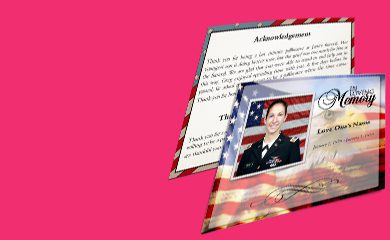
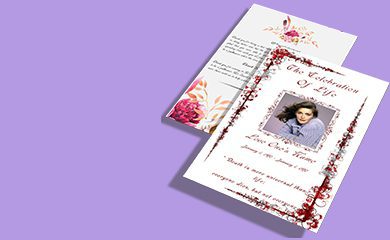
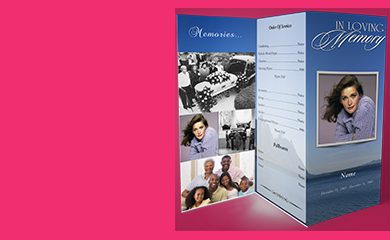
The Funeral Program is a document that describes important points of funeral or commemoration services. It serves as a guide for organizing and presenting information about the deceased, the order of events, and any readings, prayers, or music that will be included in the service.

Generally, these templates include sections like:

Cover: It displays a photo of the deceased, their name, and important dates like date of birth and death.

Order of Service:  This outlines the sequence of events during the service, including prayers, songs, eulogies, and any other planned activities.

Biography: It includes a brief summary of the life and accomplishments of the deceased, with important milestones, interests, and meaningful relationships.

Photos and Memories: Allows for the inclusion of additional photos, quotes, or memories shared by family and friends.

Funeral Details: Provides information about the location, date, and time of the service, as well as any specific instructions or requests from the family.

Acknowledgments:  In this, you can express gratitude to those who provided support and assistance during the difficult time.


Are you looking to have a lot of options for choosing free funeral program templates to create funeral programs for your loved one? These templates are available in different sizes. You can select your required size and number of pages to start customizing.

Use free funeral poems to create a good funeral program card. Funeral Card Templates are easy to customize using online drag-drop-based software where you can add unlimited text and images. You can choose from free funeral program background images, funeral sentiments, and funeral ornaments to create a beautiful funeral program using a funeral card template.

Instant Download of your Work

Print anywhere - anytime

Dedicated Live Support

Free Customization Service