Choosing cremation with celebration of life can feel both tender and empowering—because it lets you honor a loved one’s story while offering comfort to the people who knew them best. In this guide, you’ll learn what a celebration of life event is, how to plan one step-by-step, and what to consider so the gathering feels meaningful, respectful, and easy to coordinate for your family and friends.
What is cremation with celebration of life event planning?
A cremation with celebration of life event pairs the cremation process with a gathering that celebrates a life—often through shared memories, faith traditions, music, and community support. Instead of focusing solely on the service itself, the goal is to create a welcoming space where people can grieve together and share stories that keep the person’s spirit present.
Planning typically includes decisions about timing, the setting, the program structure, and the practical details that help the event run smoothly—from invitations to music cues. If you’re also exploring logistics and options, you can learn more about cremation with celebration of life event planning and how families often approach the day-of flow.
How to plan a celebration of life after cremation
While every family’s needs differ, the best plans follow a clear sequence. Use this as your roadmap:
- Pick the right timing: Many families schedule the celebration within a few weeks so friends and relatives have time to travel and prepare.
- Choose a location: Consider a church, community center, funeral home venue, backyard, or even a park—whatever best matches the person’s vibe and your guest list.
- Decide on the event format: Is it a seated program with speakers, a casual open house, a memorial slideshow, or a blend?
- Gather contributors: Identify who will speak, share a favorite story, read a poem, offer a prayer, or introduce music.
- Plan the program and pacing: Create a simple agenda with time estimates so the event feels steady and not rushed.
- Confirm logistics: Seating, audio/visual needs, weather backup (if outdoors), and clear directions for arrival.
When you’re building your plan, remember that simplicity is often more comforting. A well-organized celebration with a few meaningful moments can be more powerful than an overly elaborate plan.
What should you include in a celebration of life program?
A celebration of life program can be structured or flexible. Common elements include:
- Welcome and opening (whoever is comfortable—often a family member or officiant)
- Shared memories through readings, short speeches, or a moderated story circle
- Music and reflection including favorite songs, hymns, or a moment of silence
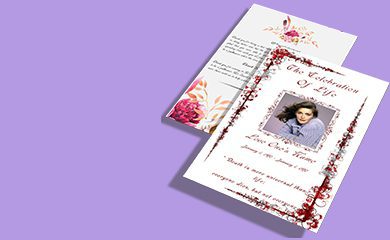
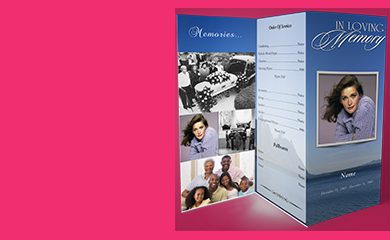
- Photo tribute or slideshow featuring meaningful milestones
- Optional rituals like a prayer, blessing, or cultural tradition
- Closing and next steps such as condolences guidance or memorial donation preferences
If you want ideas tailored to a cremation-and-celebration flow, you can also explore cremation with celebration of life event planning tips that align with how many families design meaningful gatherings.
How do you make the event feel personal and respectful?
The most memorable celebrations reflect the person’s character. Try anchoring details to their life:
- Choose symbols and colors linked to their favorite things—hobbies, sports teams, faith, or places they loved.
- Use meaningful displays such as framed photos, a memory table, or a guest book with prompts.
- Invite story-sharing with guidance like “Share a moment you’ll never forget” to help people feel at ease.
- Include sensory details if appropriate—favorite scents (like candles), music style, or a comforting dessert theme.
For many families, a “memory prompt” card near the guest book reduces pressure and helps shy guests participate. Keep the tone gentle and supportive—your loved one’s story is the center of the event.
Best ways to manage logistics, timing, and guest comfort
Even a heartfelt gathering runs smoother with practical planning. Consider these best practices:
Communication and arrival
- Send clear invitations with date, time, location, parking notes, and dress guidance if you choose one.
- Provide accessibility information (wheelchair access, seating availability, hearing assistance if relevant).
Program timing and transitions
- Build in transition time between speakers and music so the flow stays calm.
- Assign a “host” role to introduce speakers, manage the agenda, and answer guest questions.
Comfort details that matter
- Offer tissues and water—simple touches make a big difference.
- Plan for children with a quiet corner or an activity that keeps things comfortable.
How do you handle ashes during a celebration of life?
Many families include the ashes in a respectful way during the event, while others choose a different approach. Options may include:
- A display setup on a memory table with a vase, urn, or keepsake container if permitted by the venue.
- A commemorative moment where a family member acknowledges the significance of the cremation in a brief, meaningful way.
- Privacy considerations if you prefer the ashes not be displayed—this can still be a deeply personal celebration.
The key is aligning the approach with your family’s values and the atmosphere you want to create. There’s no single “correct” way—comfort and intention matter most.
What should you say when planning speakers and tributes?
As you gather speakers, encourage short, specific memories. A good tribute often includes:
- A favorite story (a real moment, not a generic description)
- What the person taught you through actions, humor, patience, or love
- A closing thought that ties gratitude to the moment
If you’re not sure where to start, ask contributors to aim for a comfortable length—many speakers benefit from a 3–7 minute window. This helps keep the event moving and gives everyone room to participate.
Summary: Your celebration can honor a life and support healing
A cremation with celebration of life event is a meaningful way to honor your loved one while giving family and friends a place to share grief, love, and memories together. By planning the timing, program flow, personal details, and logistics with care—without overcomplicating the day—you’ll create an experience that feels both respectful and real. When you focus on intention and comfort, the celebration becomes more than an event—it becomes a lasting tribute.
{
“@context”: “https://schema.org”,
“@type”: “FAQPage”,
“mainEntity”: [
{
“@type”: “Question”,
“name”: “What is cremation with celebration of life event planning?”,
“acceptedAnswer”: {
“@type”: “Answer”,
“text”: “Cremation with celebration of life event planning pairs cremation with a gathering that celebrates a loved one’s story—often through memories, music, readings, and community support. The goal is to create a welcoming space where people can grieve together and share meaningful moments.”
}
},
{
“@type”: “Question”,
“name”: “How to plan a celebration of life after cremation?”,
“acceptedAnswer”: {
“@type”: “Answer”,
“text”: “Choose timing, select a location, decide on the event format, gather contributors, plan a simple agenda with pacing, and confirm logistics like seating, audio/visual needs, and directions. Keeping the plan straightforward often helps the event feel calm and meaningful.”
}
},
{
“@type”: “Question”,
“name”: “How do you handle ashes during a celebration of life?”,
“acceptedAnswer”: {
“@type”: “Answer”,
“text”: “Many families display the urn or a meaningful container on a memory table if permitted by the venue, include a brief acknowledgment moment during the program, or keep the ashes private if that feels more comfortable. The best approach aligns with your family’s values and the atmosphere you want to create.”
}
}
]
}