A cremation memorial service can be both comforting and beautifully personal—especially when you have a plan for the words people will hear. In this guide, you’ll learn practical cremation memorial service script ideas and how to structure a meaningful program so every moment—welcome, readings, music, tributes, and closing—feels intentional. You’ll also find ready-to-use prompts to help you write, rehearse, and keep the tone aligned with your loved one’s life.
What is a cremation memorial service script, and why does it matter?
A cremation memorial service script is a simple, organized outline of what will be said and when—often including the wording for the host or officiant, transitions between speakers, and timing for music and readings. It matters because it helps prevent awkward gaps, reduces stress for family members, and ensures the program flows smoothly.
When you build a script, you’re really building emotional pacing—giving the audience time to reflect, laugh, grieve, and celebrate.
Key elements most scripts include
- Welcome and opening remarks that set a respectful tone
- Music cues (prelude, interlude, or special songs)
- Readings, poems, prayers, or scripture (if desired)
- Tributes: eulogies, reflections, and family acknowledgments
- Memorial moment: photos, candle lighting, or a short reflection
- Closing prayer/words and instructions for gathering or reception
How to write cremation memorial service script ideas for a meaningful program
If you’re wondering where to start, use a “story arc” approach. Begin with presence (who we are), then move to life (who they were), and end with meaning (how we’ll remember them). This keeps the program cohesive even when multiple speakers share memories.
Step-by-step script outline
- Choose the tone: comforting, faith-based, celebratory, or a gentle mix of both.
- Confirm the order of events: who speaks first, what comes after music, and where readers fit.
- Draft short “transition lines” for the officiant so the program doesn’t feel jumpy.
- Assign time windows (for example, 5 minutes per tribute, shorter readings, and clear cue words).
- Write a brief closing that thanks speakers and offers next steps for the community.
Helpful writing tip: use short, spoken sentences
Memorial scripts read best when they sound like real conversation. Aim for lines your speaker can say comfortably—especially if someone is reading a tribute while emotional.
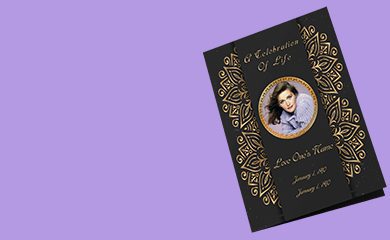
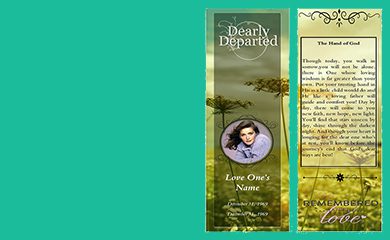
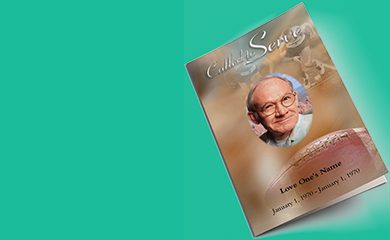
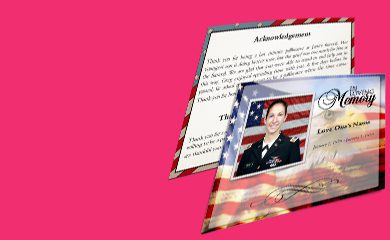
If you want more cremation memorial program wording ideas and structure, you can review cremation memorial service script ideas for a meaningful program that can help you shape your own flow.
Best ways to structure the opening and welcome remarks
The opening is where you set safety and direction. A good welcome acknowledges the moment and helps guests settle in—without forcing people to know what to do next.
Opening remarks prompt you can customize
- Greet and acknowledge: “Thank you for being here as we honor and remember…”
- Set expectations: “Today’s program includes music, reflections, and a few moments to share memories.”
- Offer hope or grounding: “However you’re feeling, you belong here.”
Optional opening wording for different tones
- Faith-based: “We gather with gratitude and trust, holding [Name] in our hearts.”
- Secular/neutral: “We gather to celebrate a life well lived and to support one another.”
- Celebratory: “We’re here to remember joy, resilience, and the stories that shaped [Name].”
What should be included in transitions between speakers?
Transitions are the glue of your script. They reduce the chance that someone talks over the next person and give guests a clean emotional handoff.
When writing transitions, aim for clarity and gentle encouragement. A transition can also tell the audience what to listen for.
Simple transition examples
- Before a reading: “At this time, [Reader Name] will share a reflection titled ‘…’.”
- After a tribute: “Thank you for that meaningful story. Next, we’ll hear from [Speaker Name].”
- When multiple speakers are scheduled: “We’ll keep each reflection brief so everyone has time to share what matters most.”
Cremation memorial service script ideas for readings, prayers, and music
Readings and music help people process feelings when words alone aren’t enough. You can keep these sections organized by specifying the cue, the purpose, and a short introduction.
How to introduce a poem or scripture
- One sentence of context: “This poem reminds us of…”
- Reader cue: “Please listen as [Name] reads…”
- Optional quiet moment: “As you listen, you may find yourself reflecting on your own memories.”
Music cue language for your script
- Pre-service: “While we gather, we’ll begin with the prelude music: ‘…’.”
- Between sections: “We’ll pause for a song that reflects [Name]’s spirit.”
- After final tribute: “To help us transition into closing remarks, we’ll listen to ‘…’.”
How to plan memorial moments and closing remarks that feel personal
Memorial moments are where the program becomes tangible. Candle lighting, a photo slideshow pause, or a short “tribute to life” prompt can be powerful—especially when you include an instruction the audience can follow.
Meaningful memorial moment ideas
- Candle lighting: “If you’d like, you may light a candle as a symbol of remembrance.”
- Photo reflection: “As the photos play, think of one memory you’d want to preserve.”
- Message collection: “You can place a written note in the memory box before we close.”
- Moment of silence: “Let’s share a brief silence for reflection.”
Closing remarks: what to say in the final minutes
End with gratitude, direction, and a gentle sense of closure. Include thanks to speakers and explain any next steps.
- Thank everyone: “Thank you for honoring [Name] with your presence and support.”
- Give clear next steps: “After the service, you’re welcome to gather for…”
- Close with meaning: “May we carry [Name]’s love forward in our daily lives.”
FAQ: quick answers for your cremation memorial service program
How long should each part of the script be?
As a starting point, aim for short segments: 1–3 minutes for welcome, 5–10 minutes for tributes, 2–4 minutes for readings, and 3–5 minutes for closing. Adjust based on the number of speakers and the audience’s needs.
What if family members cry or can’t finish their lines?
Plan for flexibility. Encourage speakers to skip a sentence if needed and offer a backup line like, “Thank you—let’s pause for a moment and return to the program.” Keep transition wording ready so the program continues calmly.
How can I keep the program meaningful without being too long?
Choose the essentials: one welcome, a few readings, selected tributes, and one memorial moment. Use a script that includes transitions and timing so every voice is heard without stretching the emotional energy.
Remember: you don’t need perfect wording—you need a plan that helps people feel held. Use the story-arc structure, write clear transitions, and include a memorial moment and closing that match your loved one’s spirit.
In the end, the best cremation memorial service script ideas are the ones that guide your community through grief with intention. When you organize your program, personalize your readings and music cues, and provide smooth transitions, you create a meaningful experience that honors your loved one and supports everyone who gathers in love.
{
“@context”: “https://schema.org”,
“@type”: “FAQPage”,
“mainEntity”: [
{
“@type”: “Question”,
“name”: “What is a cremation memorial service script, and why does it matter?”,
“acceptedAnswer”: {
“@type”: “Answer”,
“text”: “A cremation memorial service script is a simple, organized outline of what will be said and when—often including the wording for the host or officiant, transitions between speakers, and timing for music and readings. It helps prevent awkward gaps, reduces stress for family members, and ensures the program flows smoothly.”
}
},
{
“@type”: “Question”,
“name”: “How to write cremation memorial service script ideas for a meaningful program”,
“acceptedAnswer”: {
“@type”: “Answer”,
“text”: “Use a “story arc” approach: start with presence (who we are), move to life (who they were), and end with meaning (how we’ll remember them). Then choose the tone, confirm the event order, draft transition lines, assign time windows, and write a closing that thanks speakers and offers next steps.”
}
},
{
“@type”: “Question”,
“name”: “What if family members cry or can’t finish their lines?”,
“acceptedAnswer”: {
“@type”: “Answer”,
“text”: “Plan for flexibility. Encourage speakers to skip a sentence if needed, and prepare a backup transition line so the program continues calmly even if someone can’t finish their remarks.”
}
}
]
}