Can I Plan My Own Funeral in Advance A Clear Guide for Pre-Planning – Helpful Guide & Resources

Planning for the end of life can feel heavy, but it can also be empowering. If you’ve ever wondered whether you can plan your own funeral in advance, you’re not alone. In this guide, you’ll learn what pre-planning really means, how the process works in practical terms, and the best ways to put your wishes in writingβ€”so your loved ones aren’t left guessing.

Can I Plan My Own Funeral in Advance? What Pre-Planning Really Means

Yesβ€”many people can plan their own funeral in advance. β€œPre-planning” typically means you decide on key details ahead of time (like type of service, burial or cremation preferences, and who should be contacted), and you document those choices so they can be carried out later.

Whether you can fully β€œarrange” and pay in advance depends on your location and the policies of the provider you choose. That said, even if you don’t pay, you can still create a plan that guides decisions when the time comes. If you want a deeper walkthrough, learn more about Can I Plan My Own Funeral in Advance A Clear Guide for Pre-Planning.

What Details Should You Decide First?

Start with the choices that affect the structure of the service. This is often the easiest way to move from β€œI want it to be meaningful” to a plan someone can actually follow.

  • Burial or cremation (and any preferences like viewing, memorial service timing, or scattering)
  • Type of service (traditional funeral, celebration of life, religious or non-religious ceremony)
  • Music, readings, and speakers (or whether you want a simple, private gathering)
  • Home/organizer preferences (where the service should take place and who you want involved)
  • Merchandise preferences (casket or urn style, clothing requests, memorial keepsakes)

How to Write a Funeral Plan Your Family Can Follow

A good pre-plan is clear, specific, and easy to find. Use a format that you and your loved ones can access quickly.

Step-by-Step: How to Create Your Pre-Planning Checklist

  1. List your decisions in plain language (avoid jargon and be consistent with names).
  2. Choose key contacts: who to call, who should speak, and who can authorize decisions.
  3. Record locations and credentials: cemetery name, cremation provider (if applicable), and any required account or document numbers.
  4. Set instructions for special requests, such as cultural practices, religious elements, or accessibility needs.
  5. Include a β€œfinal notice” section for what happens immediately after death (who should be notified first and what documents are needed).
  6. Decide how your plan will be stored (paper in a safe, digital document, or shared location).

Best ways to keep your plan organized

  • Use a single β€œFuneral Wishes” document and one folder for supporting details.
  • Keep it updated whenever your preferences or contact information changes.
  • Tell a trusted person where it is stored and how to access it.

Can You Pre-Pay for a Funeral in Advance?

Many people want to understand whether pre-payment is possible. In general, pre-paying may be an option depending on your provider and local regulations. Common approaches include paying in advance through arrangements made with a funeral home or establishing a funding plan.

Because rules vary, the safest route is to ask questions upfront and request documentation of what’s covered. If you’re evaluating options, the guidance in Can I Plan My Own Funeral in Advance A Clear Guide for Pre-Planning can help you understand the concept at a practical level before you speak with a provider.

Questions to ask before you commit to pre-payment

  • What is guaranteed versus what may change later?
  • How are funds protected and who holds them?
  • What happens if plans change (refunds, cancellations, or transfers)?
  • How are price increases handled (if at all)?

What Is the Best Way to Share Your Wishes?

You don’t have to tell everyone everythingβ€”just the right people. The goal is to reduce guesswork and conflict at a stressful time.

How to talk about it without overwhelming your family

  • Choose a calm moment and start with reassurance: β€œI’m doing this to make things easier for you.”
  • Share only what’s necessary: core preferences and where the written plan is stored.
  • Explain the β€œwhy” behind a few key choices, especially for cultural or religious elements.
  • Encourage questions so your loved ones feel included, not pressured.

One helpful strategy is to have a designated decision-maker who can coordinate details. Another is to appoint a secondary person so nothing stalls if someone is unavailable.

How Long Does a Pre-Plan Last, and Can You Update It?

Yes, you can usually update a pre-plan. Preferences changeβ€”relationships shift, beliefs evolve, and practical needs change over time. The most important thing is that your plan remains current and accessible.

Consider doing a quick review every year or whenever there’s a major life update. In your plan, include instructions on how to replace an older version (for example, β€œThe latest document dated 2026-09-17 is the one to follow”).

Summary: Your Wishes Can Be Clear, Thoughtful, and Easy to Follow

Planning your own funeral in advance is less about taking control of grief and more about creating clarity and compassion for the people you leave behind. By deciding key preferences, writing them in a simple, organized format, sharing access with trusted contacts, and understanding any pre-payment options where available, you can make your wishes known with confidence. The main takeaway is straightforward: you can plan aheadβ€”and you can keep it manageable.

{
β€œ@context”: β€œhttps://schema.org”,
β€œ@type”: β€œFAQPage”,
β€œmainEntity”: [
{
β€œ@type”: β€œQuestion”,
β€œname”: β€œCan I Plan My Own Funeral in Advance?”,
β€œacceptedAnswer”: {
β€œ@type”: β€œAnswer”,
β€œtext”: β€œYesβ€”many people can plan their own funeral in advance. Pre-planning usually means deciding on key details ahead of time and documenting your wishes so they can be carried out later. Whether you can fully arrange and pay in advance depends on your location and the provider’s policies, but you can still create a useful written plan even without paying.”
}
},
{
β€œ@type”: β€œQuestion”,
β€œname”: β€œHow to Write a Funeral Plan Your Family Can Follow?”,
β€œacceptedAnswer”: {
β€œ@type”: β€œAnswer”,
β€œtext”: β€œCreate a single, clear β€œFuneral Wishes” document that lists your decisions in plain language, names key contacts and authorization instructions, records important locations and details, and includes a final-notice section for immediate next steps. Store it in one known place, tell a trusted person where it is, and update it when your preferences or contact information changes.”
}
},
{
β€œ@type”: β€œQuestion”,
β€œname”: β€œCan You Pre-Pay for a Funeral in Advance?”,
β€œacceptedAnswer”: {
β€œ@type”: β€œAnswer”,
β€œtext”: β€œPre-paying may be an option depending on your provider and local regulations. Common approaches include paying in advance through funeral-arrangement contracts or funding plans. Because rules vary, ask what is guaranteed, how funds are protected, what happens if you change your plans, and how (or whether) price increases are handled.”
}
}
]
}


Create a Simple Beautiful Funeral Program in Minutes

Personalize, preview, and download instantly with our easy-to-use Funeral Program Wizard.

Start Now β†’

Our Obituary Resources are changing the way to create

Whether you're drafting your first obituary or looking to create a unique commemoration, our detailed guides, templates, and examples are here to support you every step of the way. Explore the links below to find everything from basic templates to detailed instructions on obituary writing, ensuring that you can honor your loved one with respect and love.

Navigating Grief with Thoughtful Resources

When a loved one passes away, handling the emotional and practical aspects of grief can be overwhelming. At Quick Funeral, we provide comprehensive resources to assist you through this difficult time. Whether you're beginning with understanding how to craft meaningful tributes or need a detailed guide, we're here to support you.

Writing and Understanding Obituaries

Learning how to write an obituary is a valuable skill that honors the deceased and informs the community of their passing. This process involves more than just penning down life facts. For more insights into the nuances, our article on how obituaries are written provides clarity on capturing the essence of a loved one’s life story.

Templates and Samples to Ease the Process

If you're looking for a starting point, our Template of Obituary and Obituary Template for Word are perfect tools to help you get started. These templates are designed to guide you through the structure and content, making the writing process less daunting. For varied examples, check out our comprehensive Obituary Template Sample and Obituary Writing Example, which can inspire you to personalize a memorial that feels true to the spirit of your loved one.

Exploring different formats can also be helpful. Our guide on Obituary Format Example outlines the different ways you can present an obituary, from traditional to more modern approaches. Additionally, for those looking to express sentiments with different phrasing, the Obituary Wording Example can be particularly useful.

Advanced Tools and Creative Ideas

For families preferring to use digital tools, our Obituary Template Microsoft Word is easily customizable. Moreover, those wishing to create a lasting tribute can explore our Obituary Card Template, which offers a tangible memento for funeral attendees.

Memorializing a loved one involves reflecting on their unique life story. To help capture these narratives, we offer resources like the Obituary Tribute Examples and Obituary Announcement Sample, which provide ideas for announcing the passing in a respectful and heartfelt manner.

Further Exploration and Support

For those new to obituary writing or seeking to improve their skills, Template for Obituary and Examples for Obituary offer a deep dive into crafting impactful memorials. Recognizing that each family's needs are different, we also provide resources tailored to specific scenarios, such as Obituary Readings and detailed guides on Obituaries Format.

At Quick Funeral, our goal is to support you through these challenging times with resources that not only guide but also inspire personal and heartfelt commemorations. Whether you're drafting a simple Obituary Template or seeking comprehensive Example of Obituary, our tools are designed to reflect the dignity and life of your loved one. Explore our full suite of resources, including Sample Obituary and Samples of Obituaries for more insights.

For families looking to create a personalized tribute, our Family Obituary Samples provide a touch of personalization that celebrates the unique life of the deceased.

Example of Obituary

When a loved one passes away, writing an obituary can be one of the most challenging tasks. It serves as both a tribute and a vital means of informing others about the loss. An obituary example can help guide you through this emotional process, offering a framework for creating a meaningful and respectful message. A well-crafted obituary typically includes important details such as the person's name, date of birth, date of death, family members, and funeral arrangements. Additionally, a heartfelt obituary often highlights the deceased's personality, achievements, and contributions to their community. Using a thoughtful example of obituary can provide structure and inspiration to create a compassionate and personalized tribute. Whether you’re writing for a family member or a close friend, having a reliable example of obituaries can simplify the process and ensure that the tribute captures the essence of the person’s life. If you're unsure where to start, you can explore various examples of obituaries to find a style that suits the individual's story. For more guidance and examples, visit our Example of Obituary page to find templates, tips, and expert advice on how to write the perfect obituary. We’re here to help you honor your loved one’s memory with grace and dignity.

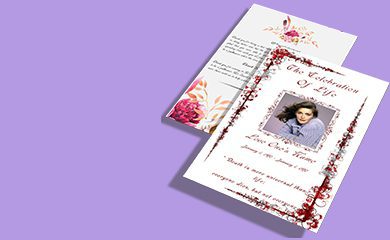
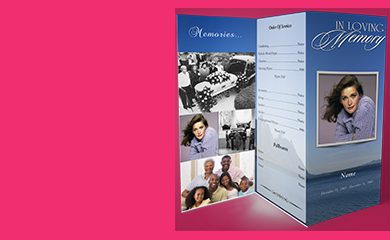
The Funeral Program is a document that describes important points of funeral or commemoration services. It serves as a guide for organizing and presenting information about the deceased, the order of events, and any readings, prayers, or music that will be included in the service.

Generally, these templates include sections like:

Cover: It displays a photo of the deceased, their name, and important dates like date of birth and death.

Order of Service:  This outlines the sequence of events during the service, including prayers, songs, eulogies, and any other planned activities.

Biography: It includes a brief summary of the life and accomplishments of the deceased, with important milestones, interests, and meaningful relationships.

Photos and Memories: Allows for the inclusion of additional photos, quotes, or memories shared by family and friends.

Funeral Details: Provides information about the location, date, and time of the service, as well as any specific instructions or requests from the family.

Acknowledgments:  In this, you can express gratitude to those who provided support and assistance during the difficult time.


Are you looking to have a lot of options for choosing free funeral program templates to create funeral programs for your loved one? These templates are available in different sizes. You can select your required size and number of pages to start customizing.

Use free funeral poems to create a good funeral program card. Funeral Card Templates are easy to customize using online drag-drop-based software where you can add unlimited text and images. You can choose from free funeral program background images, funeral sentiments, and funeral ornaments to create a beautiful funeral program using a funeral card template.

Instant Download of your Work

Print anywhere - anytime

Dedicated Live Support

Free Customization Service