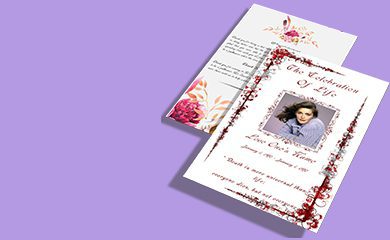
Knowing what to say at a funeral can feel overwhelming—especially when you’re trying to honor the person who died and comfort people who are grieving. In this guide, you’ll learn what to say to the family, what to avoid, and how to offer condolences in a way that feels respectful and natural. You’ll also find ready-to-use phrases and simple steps you can follow right away.
What is funeral etiquette when you’re offering condolences?
Funeral etiquette is less about saying “the perfect words” and more about showing genuine care. The goal is to acknowledge the loss, express sympathy, and offer support without turning the moment into a conversation that feels self-focused.
In most cultures and faith traditions, the most appropriate condolence includes two parts: empathy (“I’m so sorry”) and presence (“I’m here for you”). Keep your tone calm, your body language gentle, and your words simple.
How to say “I’m sorry” in a meaningful way
If you’re unsure where to start, focus on clarity and warmth. A thoughtful condolence doesn’t need a long speech. Try one of these approaches:
- Short and sincere: “I’m so sorry for your loss.”
- Warm and personal: “I can’t imagine how hard this is. I’m thinking of you.”
- With a supportive offer: “Please let me know if you need anything at all.”
When you can, include a specific memory or quality. For example: “She always made people feel welcome,” or “He showed up for others—especially when they needed help.” Specificity shows you truly knew them and aren’t just following a script.
What to say to the family at the service
The family may be overwhelmed, so your words should be easy to receive. Often, one sentence is enough. Aim for a calm, respectful delivery and avoid over-explaining your thoughts.
Use a simple condolence formula
Here’s a straightforward way to structure what you say:
- Acknowledge the loss: “I’m so sorry about your [mother/father/husband/wife].”
- Express sympathy: “I can tell how much she meant to you.”
- Offer support: “If it would help, I’d be glad to [bring a meal/help with errands/check in this week].”
Ready-to-use phrases for different relationships
Choose language that matches your closeness:
- To a close friend or sibling: “I’m here with you. You don’t have to go through this alone.”
- To a coworker or neighbor: “I was so sorry to hear the news. Please accept my condolences.”
- To extended family: “I’m thinking of your family and keeping you in my prayers.”
If the family mentions a particular need—meals, transportation, childcare—respond with specific offers rather than vague support. Instead of “Let me know,” try: “I can bring dinner on Tuesday—what time works best?”
How to respond if the family shares details
Sometimes family members will talk about memories, the circumstances of the loss, or the days ahead. It’s okay to listen and reflect without trying to fix anything.
Try these responses:
- Validate feelings: “That sounds so difficult. I’m so sorry.”
- Offer presence: “I’m listening—take your time.”
- Affirm their bond: “It makes sense you’d feel this way.”
If you’re not sure what to say, you can simply add: “I’m here for you.” That reassurance is often more helpful than trying to come up with the “right” sentence.
What not to say (or do) when offering condolences
Good intentions can sometimes land awkwardly. Avoid phrases that minimize grief or redirect attention. As a rule, skip anything that sounds like advice, judgment, or comparison.
In particular, try to avoid:
- “They’re in a better place” (can feel dismissive to some people)
- “At least…” statements that try to soften the loss by focusing on “positives”
- “I know exactly how you feel” if you haven’t experienced a similar loss
- Overly personal questions right away
Also, watch your pace. If the family is standing near others, keep your voice gentle and avoid long stories. Respect cues: if they look exhausted, end the conversation with a brief, supportive line.
How to offer help after the funeral
Support doesn’t end when the service is over. Many families feel the “drop” afterward—when visitors stop calling. If you want to do something meaningful, follow through.
Best ways to help without overwhelming the family
- Schedule a specific check-in: “Can I call you Friday afternoon?”
- Offer practical help: “I can pick up groceries or help with transportation.”
- Send something that reduces effort: a meal train, cards, or help with paperwork.
If you’re unsure how to plan your words and actions, you may find useful guidance in learn more about Funeral Etiquette What to Say to the Family, including additional examples for everyday support.
How to write a condolence message to the family
Written condolences give the family something they can revisit later. Keep it brief, sincere, and—when appropriate—mention the person’s name and one quality you admired.
A helpful structure is:
- Open with sympathy: “Please accept my deepest condolences.”
- Mention a memory or trait: “I’ll always remember how kind and dependable [Name] was.”
- Offer ongoing support: “I’m here for you, especially in the weeks ahead.”
If you want to avoid mistakes, review additional ideas in funeral etiquette what to say to the family so your message stays respectful and comforting.
Should you bring up the person’s name or say “passed away”?
Yes—bringing up the person’s name is usually a comforting sign that you acknowledge their life. Use straightforward language like “passed away” or “died” rather than euphemisms that may confuse or soften in a way the family doesn’t want.
What matters most is intent and tone. If you feel unsure, keep it simple: their name + your sympathy is almost always appropriate.
Summary: the best way to comfort the family
The best funeral etiquette is kindness that’s easy to receive. When you’re wondering what to say to the family, choose short, sincere words, acknowledge the loss, and offer specific support. Avoid minimizing phrases and focus on being present—before and after the service. Your calm presence and genuine sympathy can mean more than any perfect sentence.
{
“@context”: “https://schema.org”,
“@type”: “FAQPage”,
“mainEntity”: [
{
“@type”: “Question”,
“name”: “What is funeral etiquette when you’re offering condolences?”,
“acceptedAnswer”: {
“@type”: “Answer”,
“text”: “Funeral etiquette focuses on showing genuine care. A respectful condolence usually acknowledges the loss, expresses sympathy, and offers support, often with calm tone and simple wording.”
}
},
{
“@type”: “Question”,
“name”: “How to say “I’m sorry” in a meaningful way?”,
“acceptedAnswer”: {
“@type”: “Answer”,
“text”: “Start with empathy using phrases like “I’m so sorry for your loss,” optionally add a personal detail or memory, and—when appropriate—offer support such as “Please let me know if you need anything at all.””
}
},
{
“@type”: “Question”,
“name”: “What to say to the family at the service?”,
“acceptedAnswer”: {
“@type”: “Answer”,
“text”: “Keep it brief and easy to receive: acknowledge the loss, express sympathy, and offer support. For example: “I’m so sorry about your [relationship]. I can tell how much they meant to you—I’m here for you.””
}
}
]
}