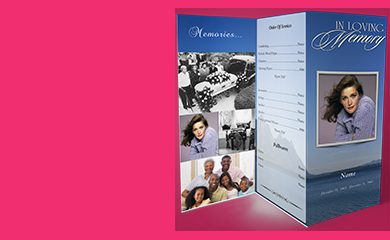
Planning for the end of life can feel heavy, but it can also be empowering. If you’ve ever wondered whether you can plan your own funeral in advance, you’re not alone. In this guide, you’ll learn what pre-planning really means, how the process works in practical terms, and the best ways to put your wishes in writing—so your loved ones aren’t left guessing.
Can I Plan My Own Funeral in Advance? What Pre-Planning Really Means
Yes—many people can plan their own funeral in advance. “Pre-planning” typically means you decide on key details ahead of time (like type of service, burial or cremation preferences, and who should be contacted), and you document those choices so they can be carried out later.
Whether you can fully “arrange” and pay in advance depends on your location and the policies of the provider you choose. That said, even if you don’t pay, you can still create a plan that guides decisions when the time comes. If you want a deeper walkthrough, learn more about Can I Plan My Own Funeral in Advance A Clear Guide for Pre-Planning.
What Details Should You Decide First?
Start with the choices that affect the structure of the service. This is often the easiest way to move from “I want it to be meaningful” to a plan someone can actually follow.
- Burial or cremation (and any preferences like viewing, memorial service timing, or scattering)
- Type of service (traditional funeral, celebration of life, religious or non-religious ceremony)
- Music, readings, and speakers (or whether you want a simple, private gathering)
- Home/organizer preferences (where the service should take place and who you want involved)
- Merchandise preferences (casket or urn style, clothing requests, memorial keepsakes)
How to Write a Funeral Plan Your Family Can Follow
A good pre-plan is clear, specific, and easy to find. Use a format that you and your loved ones can access quickly.
Step-by-Step: How to Create Your Pre-Planning Checklist
- List your decisions in plain language (avoid jargon and be consistent with names).
- Choose key contacts: who to call, who should speak, and who can authorize decisions.
- Record locations and credentials: cemetery name, cremation provider (if applicable), and any required account or document numbers.
- Set instructions for special requests, such as cultural practices, religious elements, or accessibility needs.
- Include a “final notice” section for what happens immediately after death (who should be notified first and what documents are needed).
- Decide how your plan will be stored (paper in a safe, digital document, or shared location).
Best ways to keep your plan organized
- Use a single “Funeral Wishes” document and one folder for supporting details.
- Keep it updated whenever your preferences or contact information changes.
- Tell a trusted person where it is stored and how to access it.
Can You Pre-Pay for a Funeral in Advance?
Many people want to understand whether pre-payment is possible. In general, pre-paying may be an option depending on your provider and local regulations. Common approaches include paying in advance through arrangements made with a funeral home or establishing a funding plan.
Because rules vary, the safest route is to ask questions upfront and request documentation of what’s covered. If you’re evaluating options, the guidance in Can I Plan My Own Funeral in Advance A Clear Guide for Pre-Planning can help you understand the concept at a practical level before you speak with a provider.
Questions to ask before you commit to pre-payment
- What is guaranteed versus what may change later?
- How are funds protected and who holds them?
- What happens if plans change (refunds, cancellations, or transfers)?
- How are price increases handled (if at all)?
What Is the Best Way to Share Your Wishes?
You don’t have to tell everyone everything—just the right people. The goal is to reduce guesswork and conflict at a stressful time.
How to talk about it without overwhelming your family
- Choose a calm moment and start with reassurance: “I’m doing this to make things easier for you.”
- Share only what’s necessary: core preferences and where the written plan is stored.
- Explain the “why” behind a few key choices, especially for cultural or religious elements.
- Encourage questions so your loved ones feel included, not pressured.
One helpful strategy is to have a designated decision-maker who can coordinate details. Another is to appoint a secondary person so nothing stalls if someone is unavailable.
How Long Does a Pre-Plan Last, and Can You Update It?
Yes, you can usually update a pre-plan. Preferences change—relationships shift, beliefs evolve, and practical needs change over time. The most important thing is that your plan remains current and accessible.
Consider doing a quick review every year or whenever there’s a major life update. In your plan, include instructions on how to replace an older version (for example, “The latest document dated 2026-09-17 is the one to follow”).
Summary: Your Wishes Can Be Clear, Thoughtful, and Easy to Follow
Planning your own funeral in advance is less about taking control of grief and more about creating clarity and compassion for the people you leave behind. By deciding key preferences, writing them in a simple, organized format, sharing access with trusted contacts, and understanding any pre-payment options where available, you can make your wishes known with confidence. The main takeaway is straightforward: you can plan ahead—and you can keep it manageable.
{
“@context”: “https://schema.org”,
“@type”: “FAQPage”,
“mainEntity”: [
{
“@type”: “Question”,
“name”: “Can I Plan My Own Funeral in Advance?”,
“acceptedAnswer”: {
“@type”: “Answer”,
“text”: “Yes—many people can plan their own funeral in advance. Pre-planning usually means deciding on key details ahead of time and documenting your wishes so they can be carried out later. Whether you can fully arrange and pay in advance depends on your location and the provider’s policies, but you can still create a useful written plan even without paying.”
}
},
{
“@type”: “Question”,
“name”: “How to Write a Funeral Plan Your Family Can Follow?”,
“acceptedAnswer”: {
“@type”: “Answer”,
“text”: “Create a single, clear “Funeral Wishes” document that lists your decisions in plain language, names key contacts and authorization instructions, records important locations and details, and includes a final-notice section for immediate next steps. Store it in one known place, tell a trusted person where it is, and update it when your preferences or contact information changes.”
}
},
{
“@type”: “Question”,
“name”: “Can You Pre-Pay for a Funeral in Advance?”,
“acceptedAnswer”: {
“@type”: “Answer”,
“text”: “Pre-paying may be an option depending on your provider and local regulations. Common approaches include paying in advance through funeral-arrangement contracts or funding plans. Because rules vary, ask what is guaranteed, how funds are protected, what happens if you change your plans, and how (or whether) price increases are handled.”
}
}
]
}