Planning a memorial service at home can feel overwhelming—especially when you’re balancing grief with the practical details of bringing people together. The good news is that you don’t need a perfect venue or a complex production to create something meaningful. In this guide, you’ll learn how to plan a memorial service at home, what to prepare in advance, and how to make the day feel personal, respectful, and supportive for everyone involved.
What is a home memorial service, and why do people choose it?
A home memorial service is a gathering held in a private residence to honor and remember a loved one. People choose it because it can feel familiar, comforting, and flexible—especially when mobility, timing, or finances make other options harder.
When done well, a home memorial can also provide a gentle “volume level” that helps family and friends participate at their own pace. You can include familiar music, home photos, favorite readings, and the kind of personal touches that might not fit elsewhere.
How to plan a memorial service at home: a step-by-step checklist
Use this practical sequence as your roadmap. It’s designed to reduce last-minute decisions and help you feel grounded.
- Choose the purpose and tone. Is it a celebration of life, a faith-based remembrance, or a quiet reflection? Clarifying the tone helps you select the right elements.
- Set a date and time that matches your household and guests’ needs. Consider daylight hours for easier arrival and better visibility for photos or readings.
- Decide on guest count and seating. A small group can feel just as powerful as a larger gathering. Arrange seating so elders and those who may need to step away have an easy route.
- Make a simple program. Include an opening, a few shared moments (like readings), and a closing. Even a short outline keeps the flow calm.
- Plan the “heart” of the service. This could be a eulogy, a slideshow, a reading, a moment of silence, or a ritual meaningful to your family.
- Confirm logistics. Think about parking, accessibility, restroom access, and whether you need extra chairs.
- Assign light roles. Ask one person to greet guests, one to handle music or a slideshow, and one to manage refreshments. Small responsibilities reduce stress.
- Prepare for emotional moments. Have tissues available, offer breaks, and plan how you’ll handle unexpected tears or long pauses.
If you’d like additional guidance and timelines, you can learn more about how to plan a memorial service at home and build a smoother plan from day one.
Best ways to create a meaningful home memorial service program
The simplest way to create meaning is to focus on personal stories and shared remembrance. You don’t have to cover everything—choose a few elements that reflect who your loved one was.
Ideas for the program structure
- Welcome and intention (2–5 minutes): set a gentle tone and explain how guests can participate.
- Music or a moment of reflection: play a favorite song as guests arrive, or keep it for a short pause.
- Readings or tributes: short poems, scripture (if appropriate), or a few stories from family.
- Memorial moment: a slideshow, photo viewing, or a candle-lighting/handwritten note ritual.
- Closing words: gratitude and a simple next step (like meeting for refreshments).
How many speakers should you include?
In many home settings, two to four contributions is ideal—especially if you’re expecting mixed ages or those who may not be comfortable speaking. Offer a “no pressure” option: guests can write thoughts in advance rather than speaking during the service.
How to handle food, drinks, and comfort without overspending
Food at home memorials can be simple and supportive. The goal isn’t a feast; it’s nourishment and warmth while people connect.
Practical comfort tips
- Choose easy-to-serve options (sandwich platters, soup, salad, snack trays).
- Label items clearly for allergies and dietary preferences.
- Plan for beverages—coffee, tea, water, and non-alcoholic options.
- Set aside a quiet corner where someone can step away if they feel overwhelmed.
If you’re unsure what to do with food timing, build it around the program: serve refreshments shortly after the main tribute so people can talk while emotions settle.
What should you prepare at home for a memorial service?
Prep work doesn’t need to be complicated, but a few items can make the day smoother for everyone. Aim to create a space that feels respectful and easy to navigate.
Home setup checklist
- Seating and pathways: keep walkways clear and ensure easy access to restrooms.
- Display area: photos, a memorial table, or a framed tribute.
- Audio/visual support: a speaker, charger, and a backup plan for any slideshow or music.
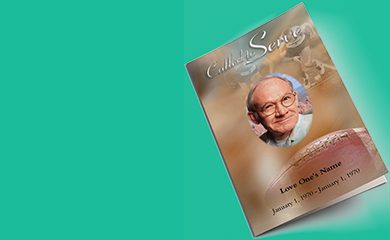
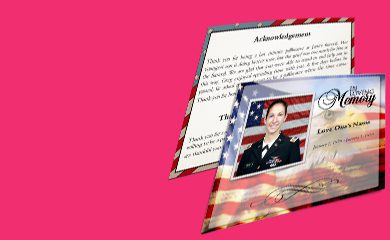
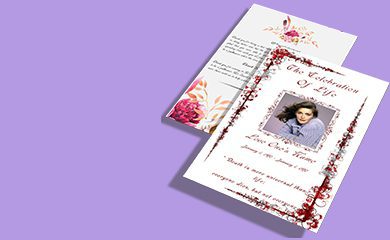
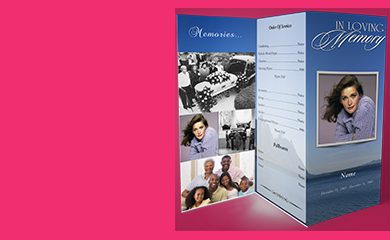
- Printed materials (optional): a simple program sheet or list of readings.
- Comfort essentials: tissues, blankets or lap throws, and water within reach.
When people arrive while you’re still setting up, it can add stress. A good rule: have key setup completed at least 1–2 hours before guests arrive, so you can shift into hosting mode.
How to invite guests and manage communication with care
Invitations set expectations and reduce uncertainty. Keep messages simple, clear, and compassionate—your wording can do a lot of emotional work.
- Include the basics: date, time, location, parking or entry notes.
- Ask about participation politely (for example, sharing a short memory or writing a note).
- Provide guidance on what to bring if appropriate (a photo, a favorite reading, or a written tribute).
- Consider comfort and accessibility in the invite: seating availability, stairs, or mobility options.
What should you do if guests ask what they can bring?
A helpful approach is to offer a few options rather than leaving it open-ended. You can suggest: a favorite photo, a short written memory, or a simple snack/drink contribution—only if it aligns with your family’s needs.
How to make the home service feel personal (not awkward)
The difference between “just getting through it” and a truly meaningful gathering is personalization. Small details matter.
- Use familiar items: a blanket from home, a favorite mug set, or a specific chair where the person liked to sit.
- Honor their routines: a song they loved, a hobby-themed slideshow, or a reading connected to their life.
- Let guests contribute gently: encourage notes on a memory board or a shared photo album.
- Normalize breaks: if someone needs a moment, it’s okay to pause and breathe.
To support your planning, you may also explore how to plan a memorial service at home with practical home-friendly details that can help you structure the day without feeling overwhelmed.
Summary: your calm, personal plan matters more than perfection
Planning a memorial service at home is about creating a safe, respectful space where love can be expressed. With a clear tone, a simple program, thoughtful setup, and gentle guest communication, you can guide the gathering smoothly while honoring your loved one in a way that feels authentic. Focus on meaning over complexity, and remember: your presence, your stories, and your care are what make the day matter.
{
“@context”: “https://schema.org”,
“@type”: “FAQPage”,
“mainEntity”: [
{
“@type”: “Question”,
“name”: “What is a home memorial service, and why do people choose it?”,
“acceptedAnswer”: {
“@type”: “Answer”,
“text”: “A home memorial service is a gathering held in a private residence to honor and remember a loved one. People choose it because it can feel familiar and comforting, and it offers flexibility—especially when other options are harder due to mobility, timing, or finances.”
}
},
{
“@type”: “Question”,
“name”: “How many speakers should you include in a home memorial service?”,
“acceptedAnswer”: {
“@type”: “Answer”,
“text”: “In many home settings, two to four contributions is ideal. You can also offer a no-pressure option where guests share through written notes instead of speaking during the service.”
}
},
{
“@type”: “Question”,
“name”: “What should you do if guests ask what they can bring?”,
“acceptedAnswer”: {
“@type”: “Answer”,
“text”: “Offer a few specific options rather than leaving it open-ended, such as a favorite photo, a short written memory, or a simple snack/drink contribution—only if it fits your family’s needs.”
}
}
]
}