How to Negotiate Funeral Home Prices and Get Fair Costs – Helpful Guide & Resources

If you’re planning a funeral, the last thing you want is to feel pressured by confusing pricing or vague options. The good news is that you can negotiate funeral home costs and make sure you’re paying for exactly what you need. In this guide, you’ll learn how to negotiate funeral home prices, what questions to ask before you agree to anything, and the most effective ways to avoid surprise feesβ€”so you can make a fair, informed decision during a difficult time.

How to Negotiate Funeral Home Prices and Get Fair Costs

Funeral pricing can feel overwhelming, but it’s not a mystery. Most funeral homes must provide itemized information, and many charges are optional depending on the services you choose. A smart approach is to compare options, ask for itemized costs, and negotiate based on specific line items rather than a single β€œtotal” number.

To get started, consider this simple strategy: gather paperwork, compare packages, and then negotiate the exact services you’re being billed for. If you want a deeper walkthrough, you can also learn more about how to negotiate funeral home prices and get fair costs.

What Is Included in Funeral Home Pricing (and What Isn’t)?

One of the most important steps is understanding what you’re actually paying for. Funeral pricing often includes both required and discretionary costs, and bundles can hide the details. Ask for a complete itemized statement before making decisions.

  • Direct service fees (administration, staff time, coordination, basic preparation)
  • Third-party costs (often for cemetery, crematory, or transportation)
  • Merchandise (casket, urn, clothing, memorial products)
  • Optional services (viewings, flowers coordination, extra copies, special handling)

If a funeral home presents a package, request the price breakdown for each component so you can decide what to keep and what to remove. That’s where negotiation becomes straightforward.

Best Ways to Get Itemized Pricing and Compare Costs

To negotiate effectively, you need numbersβ€”not estimates. Here are practical ways to get the information you’ll need to compare providers and make fair trade-offs.

  1. Request an itemized price list and ask for the total cost of every line item you’re considering.
  2. Ask what’s included in any β€œpackage” so you can avoid paying for extras you don’t want.
  3. Get a written quote for your chosen options (even if you plan to decide later).
  4. Compare like-for-like by matching the same service level (for example: viewing vs. no viewing).
  5. Call multiple funeral homes and ask identical questionsβ€”this makes it easier to spot fair pricing.

When you compare, focus on services and required fees, not just the headline total. A lower β€œpackage price” can sometimes include fewer options or shift costs into other categories.

How to Ask for Discounts and Negotiate Line Items

Negotiation works best when you’re specific. Instead of bargaining for a lower total without context, ask about reducing charges you can reasonably adjust. Many costs are flexible when you change the service level or materials.

What to Say (Friendly, Clear, and Effective)

  • β€œCan you itemize each cost and show me what would change if we remove the viewing?”
  • β€œIs there a lower-cost option for the casket or urn that still meets our needs?”
  • β€œAre there any fees in this quote that are optional or can be reduced?”
  • β€œIf we choose cremation instead of burial, what costs are eliminated?”

Remember: you’re not asking for something unreasonableβ€”you’re requesting clarity and the most accurate pricing for your choices.

What Questions Should You Ask Before Signing Anything?

Before you sign contracts or authorize services, take a moment to ask targeted questions. This reduces the chance of missing fees and helps you confirm what’s truly required for your situation.

Key Questions That Prevent Surprise Costs

  • β€œWhat are the required fees, and which ones are optional?”
  • β€œCan you explain each line item and who sets each charge?”
  • β€œAre there additional costs if we change the schedule, time, or number of services?”
  • β€œWhat payment options are available, and are there any added processing fees?”
  • β€œCan we keep the services minimal while still meeting our goals?”

If anything is unclear, pause and ask for a revised quote. You’re making decisions for your family, and clarity is fair.

How to Avoid Hidden Fees and Unnecessary Add-Ons

Hidden fees often come from assumptions in bundled packages or from add-ons you didn’t realize were separate. You can reduce risk by tightening your scope and confirming what’s included.

  • Confirm the service scope in writing (what happens, when, and what materials are included).
  • Ask about after-hours or rush fees if timing is tight.
  • Request the final total in advance before authorization.
  • Decline upgrades by default and add them only if they truly help (for example: premium viewing or specialty keepsakes).
  • Verify transportation details so you know what’s included and what may require extra charges.

These steps don’t slow you downβ€”they help you move forward with confidence.

Quick Summary: The Main Takeaways for Fair Funeral Costs

You don’t have to accept confusing pricing or oversized packages. The best path is to get itemized funeral home pricing, ask targeted questions about what’s required versus optional, and negotiate based on specific line items. With clear communication and smart comparisons, you can negotiate funeral home prices and get fair costs that match your values and budget.

{
β€œ@context”: β€œhttps://schema.org”,
β€œ@type”: β€œFAQPage”,
β€œmainEntity”: [
{
β€œ@type”: β€œQuestion”,
β€œname”: β€œWhat Is Included in Funeral Home Pricing (and What Isn’t)?”,
β€œacceptedAnswer”: {
β€œ@type”: β€œAnswer”,
β€œtext”: β€œFuneral pricing often includes direct service fees (administration and coordination), third-party costs (such as cemetery or crematory charges), merchandise (like a casket or urn), and optional services (such as viewings or additional memorial products). Ask for an itemized price list so you can see exactly what’s included and what can be changed.”
}
},
{
β€œ@type”: β€œQuestion”,
β€œname”: β€œBest Ways to Get Itemized Pricing and Compare Costs”,
β€œacceptedAnswer”: {
β€œ@type”: β€œAnswer”,
β€œtext”: β€œRequest an itemized price list, ask what’s included in any package, get a written quote for your chosen options, compare like-for-like by matching the same service level, and call multiple funeral homes using the same questions. This helps you identify fair pricing and negotiate accurately.”
}
},
{
β€œ@type”: β€œQuestion”,
β€œname”: β€œWhat Questions Should You Ask Before Signing Anything?”,
β€œacceptedAnswer”: {
β€œ@type”: β€œAnswer”,
β€œtext”: β€œAsk what fees are required versus optional, have each line item explained and identify who sets each charge, confirm whether changes to time or schedule add costs, review payment options for any processing fees, and clarify how minimal services can still meet your goals. If anything is unclear, request a revised written quote before authorization.”
}
}
]
}


Create a Simple Beautiful Funeral Program in Minutes

Personalize, preview, and download instantly with our easy-to-use Funeral Program Wizard.

Start Now β†’

Our Obituary Resources are changing the way to create

Whether you're drafting your first obituary or looking to create a unique commemoration, our detailed guides, templates, and examples are here to support you every step of the way. Explore the links below to find everything from basic templates to detailed instructions on obituary writing, ensuring that you can honor your loved one with respect and love.

Navigating Grief with Thoughtful Resources

When a loved one passes away, handling the emotional and practical aspects of grief can be overwhelming. At Quick Funeral, we provide comprehensive resources to assist you through this difficult time. Whether you're beginning with understanding how to craft meaningful tributes or need a detailed guide, we're here to support you.

Writing and Understanding Obituaries

Learning how to write an obituary is a valuable skill that honors the deceased and informs the community of their passing. This process involves more than just penning down life facts. For more insights into the nuances, our article on how obituaries are written provides clarity on capturing the essence of a loved one’s life story.

Templates and Samples to Ease the Process

If you're looking for a starting point, our Template of Obituary and Obituary Template for Word are perfect tools to help you get started. These templates are designed to guide you through the structure and content, making the writing process less daunting. For varied examples, check out our comprehensive Obituary Template Sample and Obituary Writing Example, which can inspire you to personalize a memorial that feels true to the spirit of your loved one.

Exploring different formats can also be helpful. Our guide on Obituary Format Example outlines the different ways you can present an obituary, from traditional to more modern approaches. Additionally, for those looking to express sentiments with different phrasing, the Obituary Wording Example can be particularly useful.

Advanced Tools and Creative Ideas

For families preferring to use digital tools, our Obituary Template Microsoft Word is easily customizable. Moreover, those wishing to create a lasting tribute can explore our Obituary Card Template, which offers a tangible memento for funeral attendees.

Memorializing a loved one involves reflecting on their unique life story. To help capture these narratives, we offer resources like the Obituary Tribute Examples and Obituary Announcement Sample, which provide ideas for announcing the passing in a respectful and heartfelt manner.

Further Exploration and Support

For those new to obituary writing or seeking to improve their skills, Template for Obituary and Examples for Obituary offer a deep dive into crafting impactful memorials. Recognizing that each family's needs are different, we also provide resources tailored to specific scenarios, such as Obituary Readings and detailed guides on Obituaries Format.

At Quick Funeral, our goal is to support you through these challenging times with resources that not only guide but also inspire personal and heartfelt commemorations. Whether you're drafting a simple Obituary Template or seeking comprehensive Example of Obituary, our tools are designed to reflect the dignity and life of your loved one. Explore our full suite of resources, including Sample Obituary and Samples of Obituaries for more insights.

For families looking to create a personalized tribute, our Family Obituary Samples provide a touch of personalization that celebrates the unique life of the deceased.

Example of Obituary

When a loved one passes away, writing an obituary can be one of the most challenging tasks. It serves as both a tribute and a vital means of informing others about the loss. An obituary example can help guide you through this emotional process, offering a framework for creating a meaningful and respectful message. A well-crafted obituary typically includes important details such as the person's name, date of birth, date of death, family members, and funeral arrangements. Additionally, a heartfelt obituary often highlights the deceased's personality, achievements, and contributions to their community. Using a thoughtful example of obituary can provide structure and inspiration to create a compassionate and personalized tribute. Whether you’re writing for a family member or a close friend, having a reliable example of obituaries can simplify the process and ensure that the tribute captures the essence of the person’s life. If you're unsure where to start, you can explore various examples of obituaries to find a style that suits the individual's story. For more guidance and examples, visit our Example of Obituary page to find templates, tips, and expert advice on how to write the perfect obituary. We’re here to help you honor your loved one’s memory with grace and dignity.

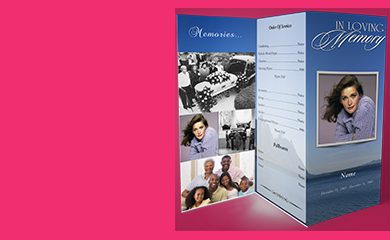
The Funeral Program is a document that describes important points of funeral or commemoration services. It serves as a guide for organizing and presenting information about the deceased, the order of events, and any readings, prayers, or music that will be included in the service.

Generally, these templates include sections like:

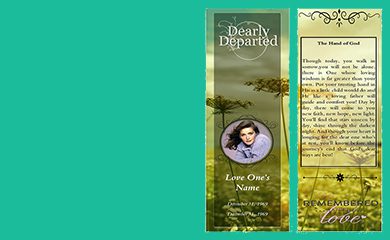
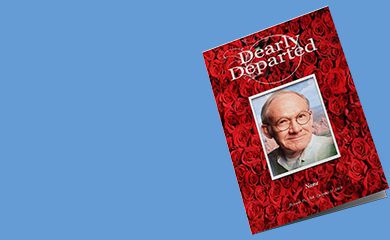
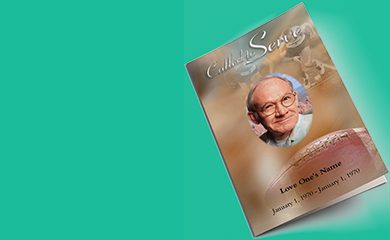
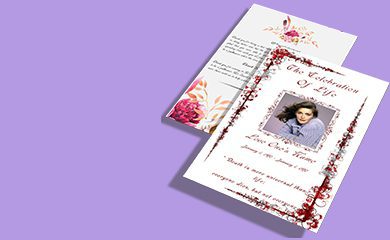
Cover: It displays a photo of the deceased, their name, and important dates like date of birth and death.

Order of Service:  This outlines the sequence of events during the service, including prayers, songs, eulogies, and any other planned activities.

Biography: It includes a brief summary of the life and accomplishments of the deceased, with important milestones, interests, and meaningful relationships.

Photos and Memories: Allows for the inclusion of additional photos, quotes, or memories shared by family and friends.

Funeral Details: Provides information about the location, date, and time of the service, as well as any specific instructions or requests from the family.

Acknowledgments:  In this, you can express gratitude to those who provided support and assistance during the difficult time.


Are you looking to have a lot of options for choosing free funeral program templates to create funeral programs for your loved one? These templates are available in different sizes. You can select your required size and number of pages to start customizing.

Use free funeral poems to create a good funeral program card. Funeral Card Templates are easy to customize using online drag-drop-based software where you can add unlimited text and images. You can choose from free funeral program background images, funeral sentiments, and funeral ornaments to create a beautiful funeral program using a funeral card template.

Instant Download of your Work

Print anywhere - anytime

Dedicated Live Support

Free Customization Service