Planning a veteran funeral is an act of honor, memory, and care. One of the most meaningful ways to support the family and attendees is to provide a clear, respectful funeral program template for a veteran that organizes every moment—from opening remarks to military honors—without confusion. In this guide, you’ll learn what to include, how to format key sections, and best ways to personalize a program so it feels both professional and deeply personal.
What is a Funeral Program Template for a Veteran?
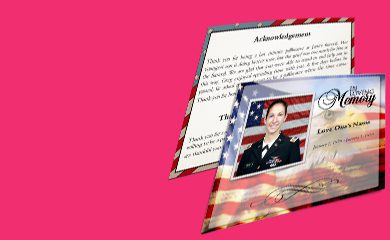
A funeral program template for a veteran is a ready-to-structure document that helps you lay out the order of events and required acknowledgments in a consistent, readable way. It typically includes sections for the service details, obituary highlights, scripture or readings (if desired), and a dedicated area for military honors and acknowledgments.
Using a template can reduce stress because it prompts you to gather the right information and keeps formatting clean across print and digital versions. If you want to see a complete model you can adapt, you can learn more about Funeral Program Template for a Veteran and how to structure it.
How to choose the right format for a veteran funeral program
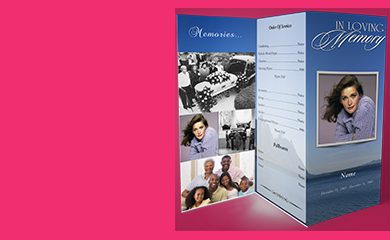
Before writing, decide how the program will be used. Many families choose tri-fold brochures, simple one-page programs, or folded booklets. Your choice should match both the length of the service and how many details you want to include.
Best ways to select program length
- One-page: Ideal for short services or when you mainly need the order of events and acknowledgments.
- Two–four panels: Best balance for adding readings, obituary highlights, and full ceremony steps.
- Booklet format: Works well for longer services with multiple speakers, music selections, and detailed military honors information.
Practical formatting tips
- Use a clear hierarchy: name and service title first, then order of service, then tributes.
- Keep line spacing comfortable and use consistent font sizes for readability.
- Reserve space for photos if you’re including one (some templates guide where to place them).
- Ensure key headings stand out with bold (for example: “Military Honors” or “Order of Service”).
What sections should you include in a veteran funeral program?
A well-planned veteran funeral program template ensures attendees can follow along smoothly and feel the dignity of the service. Below are the most common, search-friendly sections families look for.
Core sections (nearly always included)
- Service information: name, date, time, location, and officiant or clergy names.
- Order of service: opening, readings, prayers, eulogy, and closing.
- Obituary highlights: short life summary, major service years, and family acknowledgments.
- Acknowledgments: thanks to pallbearers, support teams, and donors or organizations (if applicable).
Veteran-specific sections to consider
- Military honors: include honor guard details, branch, and any ceremony wording provided by the unit.
- Flag statement: a respectful note about the flag presentation or observances (if your family chooses to include it).
- Branch and service details: rank (if the family wants), dates of service, and unit information—only as approved.
If you’re building your own layout from scratch, these veteran-specific elements are where templates can be especially helpful. You can also use a Funeral Program Template for a Veteran checklist to confirm you didn’t miss the military honors section.
How to write the order of service step-by-step
The order of service is the heart of the funeral program template. Even if the service is familiar to the family, attendees rely on this section for timing and flow.
Numbered steps to build a clear order of service
- Start with the opening: welcome, call to remembrance, and any initial prayer or remarks.
- List readings and music: hymns, readings, solos, and instrumental selections in the sequence they’ll occur.
- Include key speakers: officiant, family remarks, eulogy, or tributes.
- Add the military honors moment: place this step exactly where the ceremony occurs.
- Close with final words: closing prayer, benediction, and instructions for interment or reception.
What to do if the schedule is subject to change
- Use placeholders like “Military Honors Ceremony (as scheduled)” if details are still being confirmed.
- Ask the funeral director or honor guard coordinator for the official wording they prefer for uniformed participation.
- Include a brief note in the program if changes are possible, but keep it minimal and respectful.
How to personalize a veteran funeral program template respectfully
Personalization turns a template into a tribute. The goal is to reflect the veteran’s character and service while keeping the layout easy to follow.
Ideas for personalization
- Service story highlights: a short, factual summary of duty, locations, or impact—written with the family’s approval.
- Favorite poem or quote: choose one that aligns with the veteran’s values and faith tradition (if applicable).
- Family acknowledgments: thank caregivers, units, and community members who supported the family.
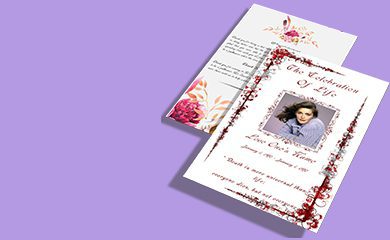
- Photo placement: use a single portrait and keep captions simple and dignified.
What tone should you use?
Keep language warm but clear. Avoid overly casual wording. Use present, respectful statements such as “In honor of…” or “We gather to remember…” and ensure all spelling of names, ranks, and unit titles is accurate.
FAQ: Funeral program template for a veteran
What is the best way to format military honors in a funeral program?
The best way is to place “Military Honors” in the exact order where it will occur and use the wording provided by the honor guard coordinator when possible. Keep the section clean: ceremony name, participating group if approved, and any brief timing note.
How do you decide whether the program should be one page or a booklet?
Choose one-page for simpler services with fewer readings and speakers. Select a booklet when you need room for multiple tributes, an expanded order of service, and veteran-specific details like military honors information and service highlights.
Can you personalize a veteran funeral program template without making it too complicated?
Yes. Personalize by adding a short quote, a brief life summary, or a single photo, while keeping the order of service section straightforward. Use consistent headings and avoid overcrowding so attendees can follow along easily.
In the end, the most important thing a family can offer is clarity and respect. A thoughtful funeral program template for a veteran helps attendees stay oriented, honors military service with dignity, and provides a keepsake the family can cherish—especially when you use a structured order of service and add personalization in a way that stays readable.
{
“@context”: “https://schema.org”,
“@type”: “FAQPage”,
“mainEntity”: [
{
“@type”: “Question”,
“name”: “What is the best way to format military honors in a funeral program?”,
“acceptedAnswer”: {
“@type”: “Answer”,
“text”: “The best way is to place “Military Honors” in the exact order where it will occur and use the wording provided by the honor guard coordinator when possible. Keep the section clean: ceremony name, participating group if approved, and any brief timing note.”
}
},
{
“@type”: “Question”,
“name”: “How do you decide whether the program should be one page or a booklet?”,
“acceptedAnswer”: {
“@type”: “Answer”,
“text”: “Choose one-page for simpler services with fewer readings and speakers. Select a booklet when you need room for multiple tributes, an expanded order of service, and veteran-specific details like military honors information and service highlights.”
}
},
{
“@type”: “Question”,
“name”: “Can you personalize a veteran funeral program template without making it too complicated?”,
“acceptedAnswer”: {
“@type”: “Answer”,
“text”: “Yes. Personalize by adding a short quote, a brief life summary, or a single photo, while keeping the order of service section straightforward. Use consistent headings and avoid overcrowding so attendees can follow along easily.”
}
}
]
}