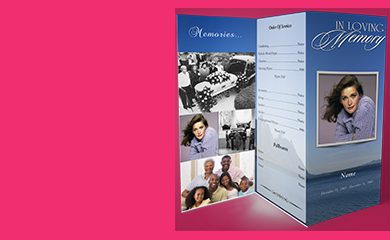
Planning a child’s funeral program can feel overwhelming—especially when you’re trying to honor a life with love, clarity, and purpose. The good news is that a Funeral Program Template for a Child can bring structure to your planning without taking away your heart. In this post, you’ll learn exactly what to include, how to write comforting wording, and how to format a program that families and visitors can easily follow.
What is a Funeral Program Template for a Child?
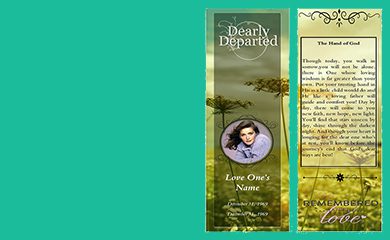
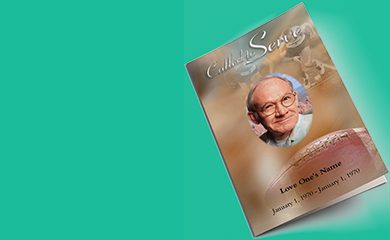
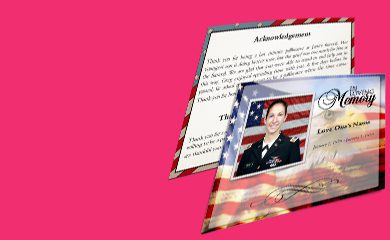
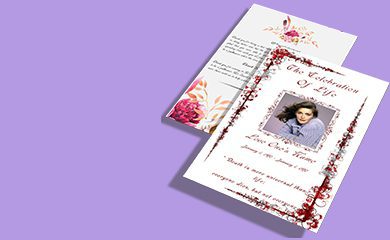
A Funeral Program Template for a Child is a pre-designed layout that helps you organize key information—like service details, family acknowledgments, and readings—so you don’t have to start from scratch. Whether you’re using a digital version or printing a few dozen copies, a template helps you create something meaningful, readable, and respectful.
If you’d like a starting point you can customize, you can learn more about Funeral Program Template for a Child and adapt it to your family’s needs.
What should be included in a child’s funeral program?
Every family is different, but most programs follow a similar structure. Here are the most common sections to consider. Aim for clear headings and short, gentle text—especially for a child’s audience.
- Child’s name and dates (if appropriate): Include full name, birth date, and date of passing.
- Service information: Date, time, location, and any livestream details.
- Order of service: Steps of what will happen during the ceremony.
- Memorial message: A short tribute, poem, or letter written in loving language.
- Readings, prayers, or scripture: Include titles or authors if you know them.
- Obituary summary (optional): A brief paragraph can be easier to read than a full obituary.
- Family acknowledgments: Names of close family members and thank-you notes.
- Remembrances (optional): Photos, mementos, or a “share your memories” line.
How to write a meaningful memorial message for a child
When you’re writing about a child, it helps to keep the message simple, personal, and centered on love. You don’t need to explain everything—sometimes a few honest lines are the most comforting.
Easy tips for comforting wording
- Use the child’s name often to keep the message personal.
- Highlight a few qualities: kindness, curiosity, laughter, big dreams, or favorite interests.
- Include gentle hope: ideas like “always remembered,” “loved beyond words,” or “our hearts will carry you.”
- Avoid pressure to be “perfect.” Choose language that feels true.
A quick fill-in-the-blank approach
If you’re stuck, try this structure for your tribute paragraph:
- Introduce your child: “We will always remember [Name] for…”
- Share a few memories: “Their joy came through when they…”
- Offer a loving closing: “Though we grieve, we hold onto…”
For more ideas on building the funeral program template for a child around a memorial message, consider adapting your headings and spacing to match your writing style.
How to format the order of service (so it’s easy to follow)
An order of service helps everyone know what’s next—especially during a difficult time. The goal is a program that reads smoothly from start to finish.
Best ways to structure the order of service
- Use short lines for each segment (one sentence each).
- Add timing only if it helps (optional).
- List speakers by role (e.g., “Officiant,” “Family Member,” “Friend”) if names are helpful.
- Keep special moments grouped together (music, readings, reflection, prayers).
Sample order of service you can customize
- Opening remarks
- Welcome and prayer
- Tribute or family reflections
- Reading or scripture
- Music or song
- Message or eulogy
- Prayer and closing
- Interment or farewell line (if applicable)
How to choose photos and design elements for a child’s program
Design matters because it supports readability and comfort. Choose visuals that feel like your child—simple, warm, and not overly busy.
Practical design tips
- Use one featured photo on the cover and optional smaller photos inside.
- Choose high-contrast text colors for clarity (dark text on light backgrounds).
- Keep fonts easy to read and avoid long paragraphs.
- Consider a theme based on memories: a favorite hobby, seasonal imagery, or a soft color palette.
Accessibility-friendly reminder
If you expect older relatives or people with visual challenges, use larger font sizes and strong spacing. A program that’s easy to read becomes an act of kindness.
What are the best ways to proofread before printing?
Before you finalize, take a moment to verify the details. Small errors can be stressful, so it’s worth double-checking.
- Confirm names and spellings (including family members and officiant).
- Verify dates, times, and locations.
- Check that the order of service matches what will actually happen.
- Read the entire program out loud once—catching awkward phrasing is easier that way.
- Ask one trusted person to do a quick scan for typos and formatting issues.
If you want a reliable starting structure, the funeral program template for a child can help you keep sections organized while you focus on the words that matter.
Summary: How a template helps you honor a child with clarity
A Funeral Program Template for a Child can lighten the planning load while still allowing you to personalize every section. By including essential details, writing a heartfelt memorial message, organizing an easy-to-follow order of service, and proofreading carefully, you create something families and visitors can cherish. Most importantly, you’ll be able to focus on what this day is really about: honoring a child’s life with love, respect, and lasting remembrance.
{
“@context”: “https://schema.org”,
“@type”: “FAQPage”,
“mainEntity”: [
{
“@type”: “Question”,
“name”: “What is a Funeral Program Template for a Child?”,
“acceptedAnswer”: {
“@type”: “Answer”,
“text”: “A Funeral Program Template for a Child is a pre-designed layout that helps you organize key information—like service details, family acknowledgments, and readings—so you don’t have to start from scratch. It can be customized for print or digital use.”
}
},
{
“@type”: “Question”,
“name”: “What should be included in a child’s funeral program?”,
“acceptedAnswer”: {
“@type”: “Answer”,
“text”: “Common sections include the child’s name and dates, service information, an order of service, a memorial message, readings or scripture, an optional obituary summary, family acknowledgments, and optional remembrances such as photos or a place to share memories.”
}
},
{
“@type”: “Question”,
“name”: “How to write a meaningful memorial message for a child?”,
“acceptedAnswer”: {
“@type”: “Answer”,
“text”: “Keep the message simple and personal. Use the child’s name, highlight a few qualities and memories, use gentle hope in the closing, and consider a fill-in-the-blank structure: introduce your child, share a few memories, then offer a loving closing.”
}
}
]
}