Planning a celebration of life can feel overwhelming—especially while you’re grieving. The good news is that a thoughtful event doesn’t have to be complicated. In this guide, you’ll learn how to plan a celebration of life event step by step, from choosing a format to organizing details and creating a meaningful agenda.
What is a Celebration of Life event (and how is it different)?
A celebration of life is a gathering that honors a person’s memory in a warm, personal way. Unlike some traditional services, it often focuses on stories, gratitude, and the “whole person” rather than a strictly structured religious format. Many families choose elements such as favorite music, a slideshow, readings, or time for guests to share memories.
If you’re comparing options, you may find it helpful to learn more about how to plan a celebration of life event step by step so you can align the day’s details with what feels right for your family.
How to plan a Celebration of Life event step by step
Use the steps below as a practical roadmap. You can follow them in order—or jump to the section you need most.
- Decide the purpose and tone. Is the event meant to be uplifting, intimate, faith-based, or more casual? Choose words that match how you want guests to feel.
- Choose a date, time, and location. Consider travel for loved ones, accessibility, and whether the setting supports conversation and sharing.
- Build a planning team (even if it’s small). Assign one person for logistics, one for content (stories, photos), and one for guest support (sign-in, refreshments, seating).
- Set a realistic budget. Decide what must be included and where you can be flexible. Prioritize essentials first: space, food/drinks, printed materials (if any), and any audio/visual needs.
- Create the event structure. Outline a simple flow: welcome, remarks, story-sharing, music, optional memorial moment, and a closing invitation.
- Gather meaningful content. Collect photos, letters, favorite quotes, and short readings. Ask family members to contribute before you start finalizing the agenda.
- Plan the music and tech setup. Select a few signature songs for arrival, transitions, and a closing. Test any slideshow or microphone in advance.
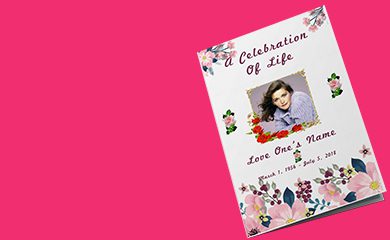
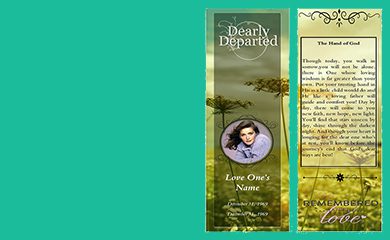
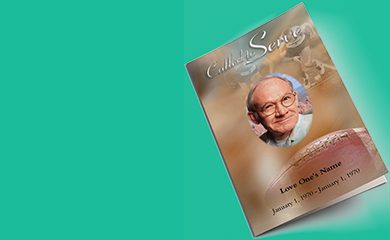
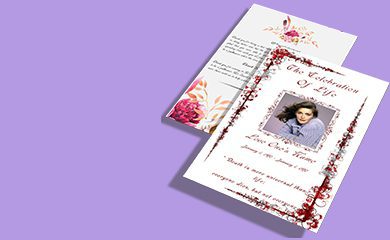
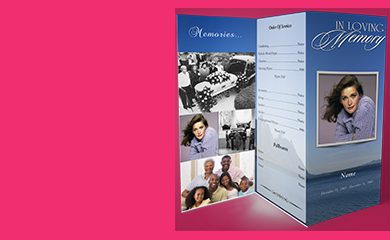
- Prepare guest materials. Consider a program, a memory table sign-up, and a place for notes or cards. Keep it easy for guests to participate.
- Coordinate catering or refreshments. Choose something that fits the tone—light bites for a casual gathering or a more formal meal if that’s preferred.
- Run a day-of checklist. Confirm arrival times, AV equipment, seating, signage, and who will guide guests through each segment.
Best ways to create a meaningful agenda
A clear agenda reduces pressure and helps guests know what to expect. While you want room for emotion and spontaneity, a plan keeps the event flowing.
- Start with a welcome and intention. A brief statement sets the tone and invites guests to share memories honestly and kindly.
- Include story-sharing opportunities. Offer prompts like “What’s a favorite moment we shared?” or “What did we learn from them?”
- Balance structure with flexibility. If someone gets emotional, allow pauses and give others time to reflect without rushing.
- End with a closing and next steps. Whether it’s a final song, a moment of gratitude, or an invitation to visit the memory table, plan a confident finish.
How to gather photos, stories, and readings from family
One of the most heartfelt parts of a celebration of life is the collective memory. Start early and make sharing feel manageable.
Make it easy for people to contribute
- Use a simple submission method. For example, a shared folder or email address with clear instructions and deadlines.
- Ask for short contributions first. A two-minute story is often more comfortable than a long speech.
- Provide prompts. Examples: “A time they made you laugh,” “A lesson they taught,” or “A song that reminds you of them.”
Choose a few pieces that represent the whole person
Instead of collecting everything, pick a balanced selection—photos across different life chapters, readings that match the person’s values, and stories that show both character and relationships.
How to plan music, signage, and guest participation
Details are what help guests feel welcomed. Think of this as thoughtful support rather than perfection.
- Music for transitions. Use songs to mark arrivals, pauses, and the closing. Keep volume comfortable for conversation.
- Clear signage. Simple directions (parking, restrooms, check-in, memory table) reduce confusion during emotional moments.
- Offer a “participation option.” Some guests want to speak; others prefer to write. Provide both.
- Create a memory table. Display photos, a guest book, note cards, and any objects that reflect hobbies or life milestones.
What to do about logistics and communication
Good communication prevents last-minute stress. Decide who handles updates and confirmations so family members aren’t duplicating effort.
- Establish a single point of contact. Choose one coordinator or a small team to answer questions and share updates.
- Send practical details clearly. Include time, location, parking/access info, and what guests should bring (if anything).
- Plan for accessibility. Seating, hearing needs, and mobility accommodations matter—especially for older relatives and friends.
- Confirm essentials. Double-check microphone/audio needs, extension cords, tablecloths, and any printed materials.
How to keep the event heartfelt without feeling overwhelmed
A celebration of life should reflect the person’s spirit, not the stress level of the planner. Keep decisions small and focused.
- Pick “good enough” first drafts. You can refine the program later, but starting early prevents panic.
- Limit the number of speakers. Aim for a few planned remarks plus open participation for stories.
- Schedule breaks. If the event is long, include natural pauses for refreshments and shared conversation.
If you want an additional roadmap for timelines and practical planning, you can use this guide for how to plan a celebration of life event step by step to compare ideas and organize your priorities.
Celebration of life event planning checklist (quick recap)
- Decide tone, date, location, and budget.
- Build an agenda with welcoming, stories, music, and closing.
- Collect photos, readings, and contributions.
- Prepare music, signage, and guest participation options.
- Confirm logistics and communicate details clearly.
Planning a celebration of life works best when you approach it like a caring project: define the tone, build a simple structure, collect meaningful content, and support guests with clear logistics. With the steps in this article, you can create an event that feels personal, organized, and deeply respectful—without carrying everything alone.
{
“FAQPage”: [
{
“question”: “What is a Celebration of Life event (and how is it different)?”,
“answer”: “A celebration of life is a gathering that honors someone’s memory in a warm, personal way, often focusing on stories, gratitude, and the whole person rather than a strictly structured religious format.”
},
{
“question”: “How to plan a Celebration of Life event step by step”,
“answer”: “Start by deciding the purpose and tone, choosing a date/time/location, building a planning team, setting a realistic budget, creating a simple event structure, gathering meaningful content, planning music/tech, preparing guest materials, coordinating refreshments, and running a day-of checklist.”
},
{
“question”: “Best ways to create a meaningful agenda”,
“answer”: “Use a simple flow (welcome and intention, story-sharing opportunities, balanced structure with flexibility, and a clear closing). Keep it organized so guests know what to expect while leaving room for emotion and reflection.”
}
]
}