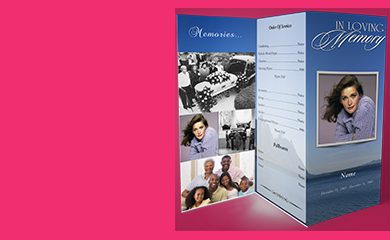
Planning a funeral can feel overwhelming—especially when you’re doing it while grieving or juggling a busy family schedule. The good news? A Funeral Planning Worksheet Free Download can help you organize important details, reduce confusion, and keep decisions on track. In this post, you’ll learn what to include, how to fill out the worksheet step-by-step, and the best ways to prepare whether you’re planning ahead or coordinating for a loved one.
What is a Funeral Planning Worksheet Free Download for families and pre-planners?
A funeral planning worksheet is a structured set of prompts that helps you collect key information in one place. It’s designed to support families during a difficult time and to help pre-planners reduce uncertainty later. If you want a convenient starting point, learn more about Funeral Planning Worksheet Free Download for Families and Pre-Planners by reviewing the details here: Funeral Planning Worksheet Free Download for Families and Pre-Planners.
With the right worksheet, you can quickly capture information such as contact details, preferences, service options, and documents—so your decisions are clear and actionable.
How to use a funeral planning worksheet (step-by-step)
If you’re not sure where to start, follow these practical steps. They work whether you’re filling out the worksheet now or using it later to coordinate a loved one’s wishes.
- Gather essential personal information. List the full name, preferred name, date of birth (optional), and key contacts (family members, attorney, clergy, or trusted planner).
- Document next-of-kin and decision makers. Include who should be consulted first and who has authority to approve arrangements.
- Write down service preferences. Note preferred type of service, spiritual or religious considerations, music selections, readings, and whether you want a celebration of life format.
- Plan for practical logistics. Record cemetery or cremation preferences, burial location if known, and options like visitation, viewing times, or memorial reception details.
- Collect documents and key identifiers. Add notes about insurance policies, pre-need documents, vital records, and any funeral contract references you already have.
- List financial and payment preferences. Include information about funding sources, budget boundaries, and what costs should be prioritized.
As you complete your worksheet, keep it simple and specific. The goal is to make it easy for someone else to understand your choices without guesswork.
Best ways to choose funeral preferences that reflect your values
The most helpful worksheets don’t just collect “facts”—they also capture what matters to you. Use these prompts to make your preferences feel personal while still being clear.
- Clarify the tone: solemn, faith-centered, family-focused, or celebratory.
- Specify faith and spiritual preferences: clergy contact, prayer preferences, scripture readings, or other traditions.
- Decide on music and tributes: favorite songs, hymns, or readings from family members.
- Choose location preferences: church, funeral home, graveside, or another venue.
- Detail ceremony elements: who leads, whether there’s a viewing, and how you want the service to conclude.
If you’re pre-planning, you can update this section over time. If you’re planning for a loved one, these prompts help you honor their wishes even when family members disagree on details.
How to handle common family questions and decision conflicts
Funeral decisions can bring strong opinions. A worksheet helps by providing a reference point that reduces “he said, she said” moments. Consider adding notes in these areas:
- What decisions are final vs. flexible? For example: “Cremation preference is fixed, but we’re open on venue.”
- Who needs to approve what? Identify primary decision makers and backup contacts.
- What do I need to coordinate right away? Transportation, clergy scheduling, or viewing time windows.
What information should you include in a funeral planning checklist?
A strong worksheet usually includes both personal preferences and the information families need to act quickly. Here’s a practical checklist to guide what you capture.
Essential contacts and documentation
- Primary contact: the person who should be reached first.
- Backup contacts: spouse/partner, children, siblings, attorney, or trusted friend.
- Document references: ID details if needed, insurance policy notes, and any pre-need paperwork location.
Service and disposition details
- Cremation or burial preference (and any known location details).
- Service type: visitation, memorial service, graveside service, or celebration of life.
- Memorial items: markers, floral preferences, or tribute guidelines.
Budget and payment clarity
- Estimated budget boundaries or “must-have vs. optional” items.
- Payment sources: insurance, savings, or pre-arrangement documents.
If you want a structured way to organize these categories, funeral planning worksheet free download resources can help you avoid missing critical sections—especially when emotions run high. You can find a helpful starting point at Funeral Planning Worksheet Free Download for Families and Pre-Planners.
How to store and share the worksheet so it’s actually useful
A worksheet only helps if the right people can find it. Aim for clarity and accessibility.
- Choose a consistent location: a folder in a home file, a locked drawer, or a secure digital folder.
- Share access with decision makers: tell the person(s) who will act where it’s stored.
- Update periodically: review once a year or after major life changes.
- Include an “on the day” note: who to call first and what steps to take immediately.
Free download tip: make your worksheet easier to act on
To get the most value from your worksheet, add a few practical enhancements:
- Write names clearly: full names for contacts and locations.
- Use short notes: “Call Pastor ___” or “Send obituary to ___ email.”
- Attach references: a photo of a document location, a policy number reference note, or a list of where paperwork lives.
This approach turns your worksheet from a “written intention” into a ready-to-use guide during a stressful time.
Summary: start with a Funeral Planning Worksheet Free Download today
A Funeral Planning Worksheet Free Download is a practical tool that helps families coordinate with confidence and helps pre-planners protect their preferences. By capturing key contacts, service choices, documents, and budget boundaries—and by storing the worksheet where others can access it—you reduce uncertainty and make it easier to honor your wishes. If you haven’t started yet, review Funeral Planning Worksheet Free Download for Families and Pre-Planners to get organized and move forward with clarity.
{
“@context”: “https://schema.org”,
“@type”: “FAQPage”,
“mainEntity”: [
{
“@type”: “Question”,
“name”: “What is a Funeral Planning Worksheet Free Download for families and pre-planners?”,
“acceptedAnswer”: {
“@type”: “Answer”,
“text”: “A funeral planning worksheet is a structured set of prompts that helps you collect key information in one place. It supports families during a difficult time and helps pre-planners reduce uncertainty later, covering details like contacts, preferences, service options, and documents.”
}
},
{
“@type”: “Question”,
“name”: “How to use a funeral planning worksheet (step-by-step)?”,
“acceptedAnswer”: {
“@type”: “Answer”,
“text”: “Start by gathering essential personal information and listing next-of-kin/decision makers. Then document service preferences, record practical logistics, collect documents and identifiers, and write down financial and payment preferences so the information is actionable when needed.”
}
},
{
“@type”: “Question”,
“name”: “What information should you include in a funeral planning checklist?”,
“acceptedAnswer”: {
“@type”: “Answer”,
“text”: “Include essential contacts and documentation (primary/backup contacts and where paperwork is), service and disposition details (cremation or burial preference, service type, memorial items), and budget/payment clarity (budget boundaries and payment sources or pre-need references).”
}
}
]
}