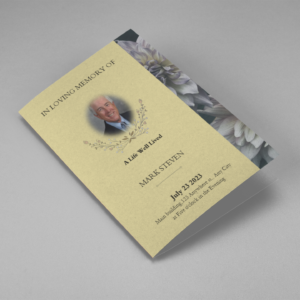
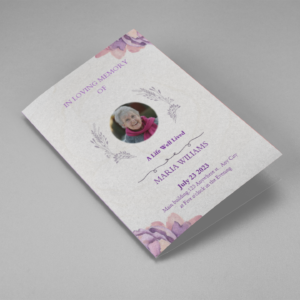
An example obituary serves as a valuable tool for crafting a heartfelt and meaningful tribute to a loved one. It provides a framework and inspiration for writing an obituary that captures the essence of the person’s life. By studying examples, one can gain insights into the structure, content, and tone of an obituary. It helps in organizing important details such as the name, dates of birth and death, surviving family members, and significant milestones or achievements.
Additionally, an example of obituary offers ideas on how to personalize the tribute by including stories, anecdotes, and special memories. It provides a reference point for expressing emotions and conveying the impact the deceased had on their loved ones and the community. By drawing from examples, individuals can create a touching and personalized obituary that honors and celebrates the unique life and legacy of the departed individual.
Finding Example Obituary
Finding example obituaries is a valuable step in writing a meaningful tribute. It provides inspiration and guidance, helping individuals understand the structure, content, and tone of an obituary. Quickfuneral.com is the best place for finding the example obituary as it provides everything according to your need. These examples serve as references, offering ideas for personalization, storytelling, and honoring the unique qualities of the deceased. By studying our different examples, you can gain insights into how to express emotions, highlight significant moments, and create a heartfelt obituary that captures the essence of a loved one’s life and leaves a lasting tribute.
Steps Of Writing Obituary From Its Example
To write an obituary using an example obituary as a reference, follow these steps:
STEP 1:Gather information
Collect the necessary details about the deceased, including their full name, dates of birth and death, and significant milestones in their life.
STEP 2:Review the example obituary
Study the structure, language, and content of the example obituary. Pay attention to how information is presented and the tone used to convey emotions.
STEP 3:Customize the obituary
Personalize the obituary by incorporating specific details and memories that reflect the unique life of the deceased. Modify the language and style to align with the individual’s personality and preferences.
STEP 4:Include key elements
Ensure that the obituary includes essential elements such as the surviving family members, funeral or memorial service details, and any special requests or charitable contributions.
Draw inspiration from the example obituary to include anecdotes, stories, and special moments that showcase the person’s character, passions, and impact on others.
STEP 6:Edit and proofread
Review the obituary for accuracy, clarity, and coherence. Make any necessary revisions to ensure that the final version is a polished and respectful tribute.
STEP 7:Seek feedback
Share the obituary draft with trusted friends or family members for their input and suggestions. Incorporate their feedback to enhance the tribute.
STEP 8:Finalize and publish
Once satisfied with the obituary, finalize it and submit it to the desired platforms, such as newspapers, online obituary websites, or funeral home publications.
Avoid Following Things While Writing Obituary
When writing an obituary based on examples, it’s essential to avoid the following pitfalls:
Plagiarism: While examples can provide inspiration, it’s crucial to avoid copying the content verbatim. Plagiarism is not only unethical but also undermines the authenticity of the tribute. Use examples as a reference but express your own thoughts and memories.
Oversharing personal details: Respect the privacy of the deceased and their family by refraining from sharing intimate or sensitive information that may cause discomfort or violate their wishes. Exercise discretion when selecting the details to include in the obituary.
Neglecting personalization: Each person’s life is unique, so it’s important to personalize the obituary. Avoid simply filling in the blanks with generic information from the examples. Instead, focus on capturing the individual’s distinct personality, accomplishments, and impact.
Neglecting the deceased’s wishes: Be mindful of any specific requests or guidelines provided by the deceased or their family regarding the content or tone of the obituary. Respect their wishes and ensure the obituary aligns with their preferences.
Neglecting editing and proofreading: It’s crucial to carefully review the obituary for errors, typos, and inconsistencies. Neglecting this step may result in inaccurate information or a poorly presented tribute. Take the time to edit and proofread the obituary before publication.
Neglecting the emotions and sentiments of the family: Remember that the obituary is a reflection of the family’s grief and love for the deceased. Be empathetic and considerate in the tone and language used, ensuring it accurately represents their emotions and sentiments.