Planning a loss is hard enough without wondering whether “traditional” is the only option. If you’re asking can you have a funeral without a body present, you’re not alone—and in many situations, the answer is yes. In this guide, you’ll learn what’s possible, what to expect, and how to organize a meaningful service when the body isn’t available.
What is a funeral without a body present?
A funeral without a body present—often called a service with no body or a memorial service—is a gathering to honor and remember someone even when the remains are not at the event. Instead of viewing the body, families may use a casket or urn present, photographs, a cherished item, recorded memories, or a short witness/ceremonial element depending on local rules.
These services can be held while the family is waiting for transportation, paperwork, identification, or the timing of burial or interment. They can also be chosen when families simply prefer a ceremony focused on remembrance rather than viewing.
How to plan a memorial service when the body isn’t available
Every community has its own process, but most families follow a similar roadmap. Here are practical steps you can use to plan with confidence.
- Confirm legal and venue requirements. Contact the funeral home, venue, or officiant to ask what documentation or timing is needed for a service without the body.
- Choose the right format. Decide whether you want a brief gathering, a religious service, a secular memorial, a graveside committal later, or a celebration of life.
- Coordinate timing around next steps. If the body will be delayed, schedule the memorial for a date that supports family attendance and emotional needs.
- Select meaningful visuals. Use photos, a slide show, a memorial display, candles, flowers, or a personal keepsake.
- Plan the program. Include opening remarks, readings, music, optional eulogies, and a clear closing so attendees know what to expect.
- Communicate clearly. Share details with family and guests: whether there will be an urn/casket present, dress expectations, and the purpose of the gathering.
If you want a deeper look at what’s allowed and how families typically handle logistics, you can learn more about Can You Have a Funeral Without a Body Present and explore additional considerations that may apply in your situation.
Are religious and cultural services possible without a body present?
Often, yes. Many traditions can adapt to circumstances where viewing or burial happens later. Officiants may adjust prayers, readings, and ritual timing while keeping the spiritual meaning intact.
To get it right, ask questions early:
- Does the faith tradition permit a memorial in advance, and what wording is preferred?
- Is an urn, casket, or symbolic item required for certain rites?
- When will the committal or burial occur, and how should family communicate the sequence?
Even when the body isn’t present, families can still honor their loved one through scripture, blessings, cultural music, and community participation.
What can be included in a service with no body?
A meaningful ceremony doesn’t depend on viewing. Thoughtful details can help attendees feel connected, support the grieving process, and create space for remembrance. Common elements include:
- Memorial display featuring photographs and personal items
- Music and tributes chosen by family members
- Readings or testimonials from friends, family, or community leaders
- Video or photo slideshow highlighting key life moments
- Optional rituals such as prayers, blessings, or moments of reflection
- Extended family time for conversation, comfort, and community support
If you’re unsure where to start, consider building the program around what the person valued—music, faith, service, community, or storytelling.
How to talk to family and guests about a body-not-present funeral
One of the hardest parts is explaining the situation kindly. People may assume something is “wrong,” and you may not want to share every detail. Clear, compassionate communication can reduce confusion and help everyone focus on honoring your loved one.
Here are simple wording ideas you can adapt:
- Clarify the purpose: “We’re holding a memorial to celebrate [Name]’s life while we complete next steps.”
- Set expectations: “There will be a moment for photos and remembrances; the burial or committal will be held separately.”
- Invite participation: “If you’d like, please bring a favorite memory or message to share.”
For additional guidance and common logistics, you can also review Can You Have a Funeral Without a Body Present resources to help you prepare the details confidently.
Best ways to honor someone when the body isn’t present
The best memorials feel personal and intentional. While the body may not be there, the loved one’s story can be central. Focus on meaning rather than tradition-for-tradition’s-sake.
- Share stories that reflect their character, not just major life events.
- Include a call-and-response moment such as a communal prayer, candle lighting, or a short line of remembrance.
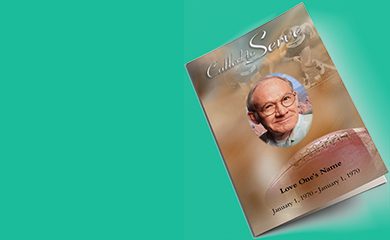
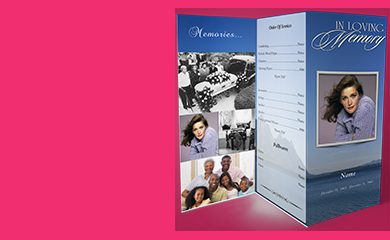
- Create a keepsake for guests—a printed program, a memorial card, or a shared digital album.
- Respect the timing: if a committal will happen later, plan a clear, separate moment for closure.
- Offer options for participation, like writing notes, sharing photos, or submitting messages in advance.
Summary: Can you have a funeral without a body present?
Yes—you can often hold a funeral or memorial service without the body present, especially when timing, logistics, or personal preferences make viewing impossible or unnecessary. By confirming requirements, choosing a format that fits your faith and family, and focusing on meaningful details, you can create a respectful gathering that helps people grieve and remember. The main takeaway is simple: a meaningful service is about honoring a life, and it can still happen even when the body isn’t there.
{
“@context”: “https://schema.org”,
“@type”: “FAQPage”,
“mainEntity”: [
{
“@type”: “Question”,
“name”: “What is a funeral without a body present?”,
“acceptedAnswer”: {
“@type”: “Answer”,
“text”: “A funeral without a body present—often called a memorial service—is a gathering to honor and remember someone when the remains are not at the event. Families may use a casket or urn present (depending on circumstances), photographs, personal items, and a structured program such as readings, music, and tributes.”
}
},
{
“@type”: “Question”,
“name”: “How to plan a memorial service when the body isn’t available?”,
“acceptedAnswer”: {
“@type”: “Answer”,
“text”: “Start by confirming legal and venue requirements with the funeral home or venue, choose the service format (religious, secular, or celebration of life), coordinate timing, select meaningful visuals (photos, keepsakes, or a slide show), plan the program (eulogies, readings, music), and communicate details clearly with family and guests about what to expect.”
}
},
{
“@type”: “Question”,
“name”: “Are religious and cultural services possible without a body present?”,
“acceptedAnswer”: {
“@type”: “Answer”,
“text”: “Often, yes. Many traditions can adapt by adjusting ritual timing or ceremony structure. Ask the officiant what is permitted, whether an urn/casket or symbolic item is needed, and when the committal or burial will occur so the sequence is clear.”
}
}
]
}