Planning a funeral without religious language can feel daunting—especially when you’re trying to honor a life with sincerity and structure. In this guide, you’ll learn practical ways to plan a secular humanist funeral ceremony, including ceremony options, what to include, how to write a meaningful program, and how to coordinate with a venue or funeral director. If you’re searching for secular humanist funeral ceremony options and planning guide, you’re in the right place.
What is a secular humanist funeral ceremony?
A secular humanist funeral ceremony is a service that celebrates a person’s life and values using human-centered, evidence-based, and non-religious language. Instead of prayers or faith declarations, the focus typically includes memory, relationships, and the impact the person had on others.
Many families choose humanist ceremonies because they allow for personal storytelling and shared meaning—while staying aligned with atheism, agnosticism, or simply a desire to avoid religious framing. If you’d like a wider overview of choices, you can learn more about Secular Humanist Funeral Ceremony Options and Planning Guide.
How to choose the right secular humanist funeral ceremony format
The “right” ceremony format is the one that best fits the person’s personality, the family’s needs, and the practical constraints of the venue. Start by deciding what you want mourners to feel—comfort, celebration, reflection, or a mix.
Best ways to match a ceremony format to your loved one
- If they loved community: choose a group storytelling format with multiple speakers.
- If they were private or reserved: consider a quieter, shorter ceremony with one lead speaker.
- If they were expressive: build in readings, music, and a symbolic moment (like a memory lantern or written messages).
- If you want flexibility: combine a memorial service with an optional gathering afterward (often called a “reception” or “life celebration”).
Popular secular humanist ceremony options
- Celebration of life ceremony (story-forward, often with readings and music).
- Personal values-based service (focus on virtues, kindness, service, and legacy).
- Statement-led service (a facilitator reads a prepared life narrative, with brief reflections from others).
- Music-and-memories service (music sets the tone; speakers share short memories).
How to plan a secular humanist funeral ceremony step-by-step
Planning gets easier when you treat it like an organized project. Use this step-by-step approach to reduce stress and make decisions with confidence.
- List the “must-haves.” Decide what you absolutely want included: eulogies, readings, music, a closing statement, or a group moment.
- Choose a ceremony length. Common options range from 20–60 minutes, depending on the number of speakers and whether the gathering continues afterward.
- Select speakers and roles. Pick a lead celebrant (or main facilitator) and 1–4 speakers for personal reflections.
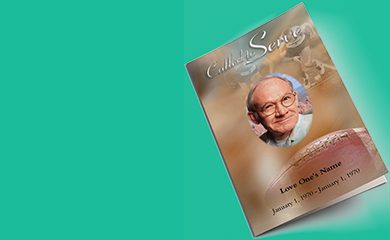
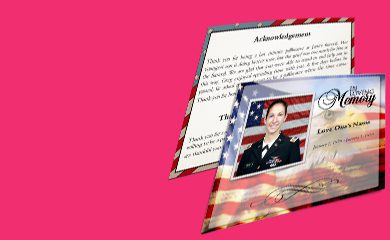
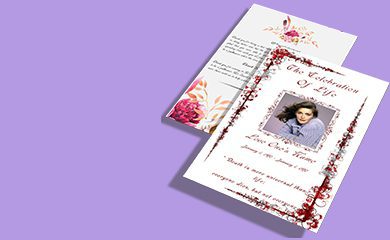
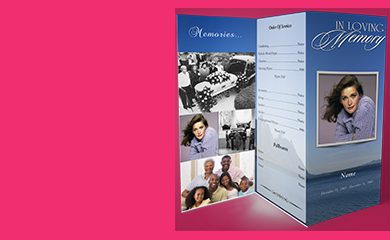
- Draft the program in sections. Aim for a clear flow: welcome, life story, reflections, music, and closing.
- Coordinate logistics early. Confirm venue rules (sound, length, participant spacing, and any restrictions on symbols or readings).
- Prepare backups. Ensure you have an alternate speaker in case someone can’t attend, and have a printed plan for the order of events.
What to include in a secular humanist funeral program
A strong humanist ceremony typically blends structure with personalization. The goal is to help mourners feel seen, share memories, and witness the person’s life as more than dates.
Core elements to consider
- Welcome and setting the tone (often acknowledging grief and inviting respectful reflection).
- Life narrative (a clear, chronological or thematic overview of key experiences).
- Personal tributes (short, specific stories—what they did, how they made others feel).
- Values and legacy (humanist themes like compassion, integrity, curiosity, and community impact).
- Music and readings that reflect the person’s beliefs and personality.
- Closing reflection that offers meaning and a gentle call to support one another.
Helpful writing tips for speakers
- Use “moments,” not summaries. “She taught me to…” “He always showed up…”
- Keep it breathable. Aim for 3–7 minutes per speaker to maintain a calm pace.
- Tell the truth with care. Honest grief is welcome; avoid sharp conflict if you can.
- Match the language to your beliefs. Use secular wording consistently—no prayers or faith references.
How to choose secular music, readings, and symbolic moments
Music and readings often carry the emotional weight of the ceremony. Choose pieces that feel authentic to your loved one rather than “generic solemn” options.
Ideas for secular music and readings
- Meaningful personal favorites (songs they loved, or genres they played or listened to).
- Poetry or short essays that speak to hope, resilience, or human connection.
- Letters or notes read aloud (if they wrote to family members in a way that can be shared respectfully).
Symbolic moments that fit a humanist tone
- Memory cards or message stones placed in a designated area.
- A final shared toast (non-alcoholic options available) after the main ceremony.
- Group silence followed by a brief closing statement.
- Release of written wishes (if the venue allows and it’s handled safely).
How to coordinate with a venue or funeral director for a secular service
Even when the ceremony is deeply personal, practical details matter. Many families find success by preparing a simple plan and communicating clearly about language and format.
Practical coordination tips
- Ask about timing and process: when speakers can arrive, where files or printed programs should go, and how announcements are handled.
- Confirm secular language requirements: request that staff avoid religious prayers or faith statements.
- Share your program draft early: venues often prefer knowing the order of events in advance.
- Check microphone and sound needs: test volume for both readings and music transitions.
- Plan for accessibility: seating, step-free access, and clear signage for guests.
If you’re still comparing possibilities, it can help to review secular humanist funeral ceremony options so you can choose the structure that best supports your family’s goals.
Common questions families ask when planning a secular humanist ceremony
Many people worry about whether a non-religious service will feel “complete.” In practice, the ceremony feels complete when the program is clear, emotionally honest, and respectful of the person’s life.
- “Do we need a celebrant?” Not always—some families write the program themselves and designate a facilitator.
- “Can we include family stories?” Yes. Personal reflections are one of the most meaningful parts of humanist ceremonies.
- “How do we keep it respectful?” Set speaking guidelines, keep stories focused on the person, and avoid contentious material.
Planning a secular humanist funeral ceremony is an opportunity to honor a life with authenticity—using secular language, thoughtful structure, and genuine remembrance. By choosing the right format, preparing a clear program, selecting music and readings that reflect the person, and coordinating logistics in advance, you can create a service that helps everyone grieve together and remember with meaning.
{
“@context”: “https://schema.org”,
“@type”: “FAQPage”,
“mainEntity”: [
{
“@type”: “Question”,
“name”: “What is a secular humanist funeral ceremony?”,
“acceptedAnswer”: {
“@type”: “Answer”,
“text”: “A secular humanist funeral ceremony is a service that celebrates a person’s life and values using human-centered, evidence-based, and non-religious language. Instead of prayers or faith declarations, it typically includes memory, relationships, and the impact the person had on others.”
}
},
{
“@type”: “Question”,
“name”: “How to plan a secular humanist funeral ceremony step-by-step?”,
“acceptedAnswer”: {
“@type”: “Answer”,
“text”: “Use a structured approach: list the must-haves, choose a ceremony length, select speakers and roles, draft the program in sections (welcome, life story, reflections, music, closing), coordinate logistics early with the venue, and prepare backups in case a speaker can’t attend.”
}
},
{
“@type”: “Question”,
“name”: “What to include in a secular humanist funeral program?”,
“acceptedAnswer”: {
“@type”: “Answer”,
“text”: “A strong humanist ceremony often includes a welcome and tone-setting statement, a life narrative, personal tributes, values and legacy themes, music and readings, and a closing reflection that offers meaning and support to mourners.”
}
}
]
}