Funeral Planning Conversation Starters for Parents – Helpful Guide & Resources

Talking about funeral planning can feel heavy, even when you know it matters. But having the right conversationβ€”at the right timeβ€”can reduce stress, prevent misunderstandings, and honor the wishes of the person you love. In this guide, you’ll learn practical funeral planning conversation starters for parents, plus step-by-step ways to ask about preferences, documents, and final arrangements with care.

How to Start a Funeral Planning Conversation with Your Parents

The key is to lead with empathy, not logistics. When you open with reassurance and choice, your parents are more likely to engage. If you want more ideas on wording and timing, you can learn more about funeral planning conversation starters for parents and how families can make these talks easier.

Use gentle, specific openings

  • β€œCan we talk about what you’d want, just so I understand?”
  • β€œI want to make sure we respect your wishes.”
  • β€œWould you prefer simple details now, or a longer conversation later?”

Set a comfortable tone

  • Choose a calm momentβ€”after dinner, during a drive, or on a weekend walk.
  • Say you’re not rushing and you’ll stop if it becomes uncomfortable.
  • Ask permission: β€œIs this a good time to talk about something important?”

What to Say If Your Parents Avoid the Topic

Some parents fear burdening you or don’t want to think about death. That’s normal. Your goal isn’t to force agreementβ€”it’s to keep the conversation safe and respectful.

Try β€œvalues first” language

  • β€œWhat matters most to you in a serviceβ€”faith, family, privacy, or simplicity?”
  • β€œHow would you want people to feel afterward?”

Offer low-pressure options

  1. Start with one question instead of a full plan.
  2. Invite small steps, like sharing general preferences.
  3. Confirm you can revisit later if emotions rise.

When you need a different approach

If direct conversation repeatedly stalls, consider asking about practical items firstβ€”like where documents are storedβ€”without mentioning funeral specifics right away. Then, return to preferences when they feel more in control.

How to Ask About Funeral Preferences (Without Overwhelming Them)

It helps to break funeral planning into manageable categories. You can ask about each area one at a time, so your parents don’t feel like they’re being β€œchecked off” or pressured to decide immediately.

Start with broad choices

  • β€œWhat type of service feels most like you?”
  • β€œWould you prefer a traditional service, something simpler, or no service?”
  • β€œDo you have preferences about burial vs. cremation?”

Move to details gradually

  • Music, readings, or faith traditions
  • Speaker preferences (family member, clergy, friend)
  • Whether visitors should share stories
  • Any specific requests for flowers, attire, or location

If you’re trying to frame these choices in a caring way, you may find additional guidance in funeral planning conversation starters for parents, including how to ask about decisions in a supportive, non-confrontational manner.

Best Ways to Talk About Cremation, Burial, and Service Options

Instead of debating β€œwhat’s best,” focus on what your parents want and what aligns with their values. People often feel calmer when they can explain their reasoning.

Use comparison questions

  • β€œIf you had to choose one, would you lean toward cremation or burial?”
  • β€œIs there a service structure you preferβ€”short and simple or more formal?”
  • β€œDo you want the focus to be on remembrance, religion, or community?”

Ask about constraints and boundaries

  • Budget expectations (only if they’re comfortable discussing it)
  • Guest size preferences
  • Accessibility needs
  • Any β€œmust-haves” or β€œabsolutely nots”

How to Discuss Legal Documents and Practical Logistics

Practical planning can protect your family later. The goal is to locate important information and reduce uncertaintyβ€”without turning the conversation into paperwork.

Focus on β€œwhere and who”

  • β€œWhere do you keep important documents?”
  • β€œWho should we contact for funeral arrangements?”
  • β€œIs there anyone you trust to help coordinate?”

Use a simple documentation checklist

  1. Gather location info for documents (or confirm where they are stored).
  2. Record key contacts like healthcare providers and legal representatives.
  3. Note preferences you discussed (even if informal at first).

Keep it organized and accessible

Choose one secure place where you can reference details laterβ€”such as a home file, password-protected folder, or a trusted family coordinator. If you’re unsure, ask your parents how they want information stored.

What If My Parents Don’t Want to Plan Ahead?

You may not get everything upfrontβ€”and that’s okay. In many families, planning looks like creating a foundation rather than finalizing every choice.

Respect autonomy while preparing for the future

  • Ask for a β€œminimum starting point.” For example: preferred service type, faith considerations, and contact names.
  • Offer to revisit later. Tie it to a low-stress trigger like an anniversary, birthday, or check-in conversation.
  • β€œWould it be easier if we wrote down a few basics together today?”

Summary: Your Best Conversation Starter Is Care + Clarity

The most effective funeral planning conversation starters for parents aren’t harsh or technicalβ€”they’re empathetic, permission-based, and clear. Start with values, ask one question at a time, and focus on preferences and practical β€œwhere/how to access information.” When you approach the topic with warmth and structure, you help your parents feel respected and you make things easier for everyone later.

{
β€œ@context”: β€œhttps://schema.org”,
β€œ@type”: β€œFAQPage”,
β€œmainEntity”: [
{
β€œ@type”: β€œQuestion”,
β€œname”: β€œHow to Start a Funeral Planning Conversation with Your Parents”,
β€œacceptedAnswer”: {
β€œ@type”: β€œAnswer”,
β€œtext”: β€œStart with empathy and permission. Use gentle openings like β€œCan we talk about what you’d want, just so I understand?” Set a comfortable tone by choosing a calm moment, telling them you’re not rushing, and asking whether it’s a good time to talk.”
}
},
{
β€œ@type”: β€œQuestion”,
β€œname”: β€œWhat to Say If Your Parents Avoid the Topic”,
β€œacceptedAnswer”: {
β€œ@type”: β€œAnswer”,
β€œtext”: β€œIf they avoid the topic, switch to values-first questions such as, β€œWhat matters most to you in a serviceβ€”faith, family, privacy, or simplicity?” Offer low-pressure options like starting with one question and revisiting later if emotions come up.”
}
},
{
β€œ@type”: β€œQuestion”,
β€œname”: β€œHow to Discuss Legal Documents and Practical Logistics”,
β€œacceptedAnswer”: {
β€œ@type”: β€œAnswer”,
β€œtext”: β€œFocus on β€œwhere and who” rather than paperwork details. Ask where important documents are stored and who should be contacted for arrangements. Then create a simple checklist to record document locations, key contacts, and any preferences discussed.”
}
}
]
}


Create a Simple Beautiful Funeral Program in Minutes

Personalize, preview, and download instantly with our easy-to-use Funeral Program Wizard.

Start Now β†’

Our Obituary Resources are changing the way to create

Whether you're drafting your first obituary or looking to create a unique commemoration, our detailed guides, templates, and examples are here to support you every step of the way. Explore the links below to find everything from basic templates to detailed instructions on obituary writing, ensuring that you can honor your loved one with respect and love.

Navigating Grief with Thoughtful Resources

When a loved one passes away, handling the emotional and practical aspects of grief can be overwhelming. At Quick Funeral, we provide comprehensive resources to assist you through this difficult time. Whether you're beginning with understanding how to craft meaningful tributes or need a detailed guide, we're here to support you.

Writing and Understanding Obituaries

Learning how to write an obituary is a valuable skill that honors the deceased and informs the community of their passing. This process involves more than just penning down life facts. For more insights into the nuances, our article on how obituaries are written provides clarity on capturing the essence of a loved one’s life story.

Templates and Samples to Ease the Process

If you're looking for a starting point, our Template of Obituary and Obituary Template for Word are perfect tools to help you get started. These templates are designed to guide you through the structure and content, making the writing process less daunting. For varied examples, check out our comprehensive Obituary Template Sample and Obituary Writing Example, which can inspire you to personalize a memorial that feels true to the spirit of your loved one.

Exploring different formats can also be helpful. Our guide on Obituary Format Example outlines the different ways you can present an obituary, from traditional to more modern approaches. Additionally, for those looking to express sentiments with different phrasing, the Obituary Wording Example can be particularly useful.

Advanced Tools and Creative Ideas

For families preferring to use digital tools, our Obituary Template Microsoft Word is easily customizable. Moreover, those wishing to create a lasting tribute can explore our Obituary Card Template, which offers a tangible memento for funeral attendees.

Memorializing a loved one involves reflecting on their unique life story. To help capture these narratives, we offer resources like the Obituary Tribute Examples and Obituary Announcement Sample, which provide ideas for announcing the passing in a respectful and heartfelt manner.

Further Exploration and Support

For those new to obituary writing or seeking to improve their skills, Template for Obituary and Examples for Obituary offer a deep dive into crafting impactful memorials. Recognizing that each family's needs are different, we also provide resources tailored to specific scenarios, such as Obituary Readings and detailed guides on Obituaries Format.

At Quick Funeral, our goal is to support you through these challenging times with resources that not only guide but also inspire personal and heartfelt commemorations. Whether you're drafting a simple Obituary Template or seeking comprehensive Example of Obituary, our tools are designed to reflect the dignity and life of your loved one. Explore our full suite of resources, including Sample Obituary and Samples of Obituaries for more insights.

For families looking to create a personalized tribute, our Family Obituary Samples provide a touch of personalization that celebrates the unique life of the deceased.

Example of Obituary

When a loved one passes away, writing an obituary can be one of the most challenging tasks. It serves as both a tribute and a vital means of informing others about the loss. An obituary example can help guide you through this emotional process, offering a framework for creating a meaningful and respectful message. A well-crafted obituary typically includes important details such as the person's name, date of birth, date of death, family members, and funeral arrangements. Additionally, a heartfelt obituary often highlights the deceased's personality, achievements, and contributions to their community. Using a thoughtful example of obituary can provide structure and inspiration to create a compassionate and personalized tribute. Whether you’re writing for a family member or a close friend, having a reliable example of obituaries can simplify the process and ensure that the tribute captures the essence of the person’s life. If you're unsure where to start, you can explore various examples of obituaries to find a style that suits the individual's story. For more guidance and examples, visit our Example of Obituary page to find templates, tips, and expert advice on how to write the perfect obituary. We’re here to help you honor your loved one’s memory with grace and dignity.

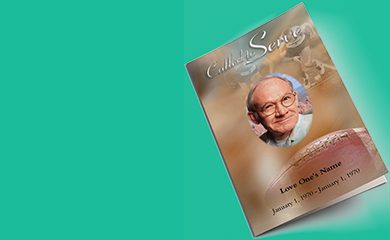
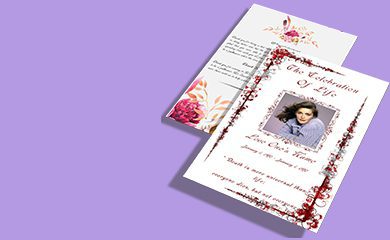
The Funeral Program is a document that describes important points of funeral or commemoration services. It serves as a guide for organizing and presenting information about the deceased, the order of events, and any readings, prayers, or music that will be included in the service.

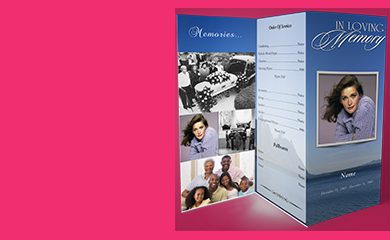
Generally, these templates include sections like:

Cover: It displays a photo of the deceased, their name, and important dates like date of birth and death.

Order of Service:  This outlines the sequence of events during the service, including prayers, songs, eulogies, and any other planned activities.

Biography: It includes a brief summary of the life and accomplishments of the deceased, with important milestones, interests, and meaningful relationships.

Photos and Memories: Allows for the inclusion of additional photos, quotes, or memories shared by family and friends.

Funeral Details: Provides information about the location, date, and time of the service, as well as any specific instructions or requests from the family.

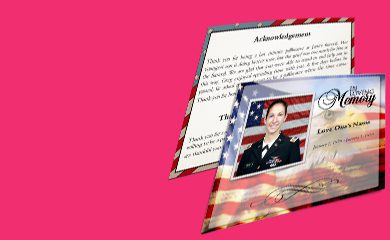
Acknowledgments:  In this, you can express gratitude to those who provided support and assistance during the difficult time.


Are you looking to have a lot of options for choosing free funeral program templates to create funeral programs for your loved one? These templates are available in different sizes. You can select your required size and number of pages to start customizing.

Use free funeral poems to create a good funeral program card. Funeral Card Templates are easy to customize using online drag-drop-based software where you can add unlimited text and images. You can choose from free funeral program background images, funeral sentiments, and funeral ornaments to create a beautiful funeral program using a funeral card template.

Instant Download of your Work

Print anywhere - anytime

Dedicated Live Support

Free Customization Service